

Christmas in Iceland is a truly magical time of year. With long winter nights that provide a perfect backdrop, the skies often light up with the Northern Lights, one of the world’s most breathtaking natural spectacles. The holiday season here is filled with unique customs like Jólabókaflóð (the Christmas Book Flood), Þorláksmessa (St Thorlak’s Mass), and Aðfangadagur (Christmas Eve), each celebrated with warmth and tradition.
But Icelandic holidays are never entirely predictable—this is a place where human‑eating ogres roam folklore, a mischievous Christmas Cat might snatch children who misbehave, and seals are said to take on human form for the festivities. With customs as enchanting as they are unusual, Iceland offers a Christmas experience truly its own.
Blinded by the Lights
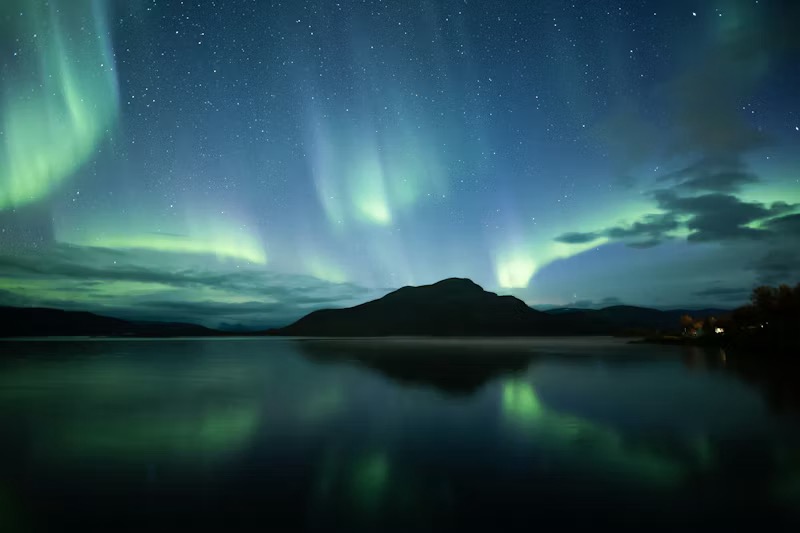
One of the main reasons travelers flock to Iceland in December is to see the Northern Lights, or Aurora Borealis. These stunning, swirling colors in the night sky are a natural wonder that totally captivates visitors. Icelandic folklore adds an extra layer of magic, claiming that elves and hidden people—known as Huldufólk—dance beneath the aurora as they celebrate the season.
Scientifically, the lights are caused by charged particles from the sun interacting with Earth’s magnetic field. Oxygen molecules high in the atmosphere glow red, while lower altitudes produce greens and yellows, and then nitrogen may add purples or blues. Whether by science or story, the effect is mesmerizing, and no Christmas in Iceland is complete without a glimpse of this spectacular celestial display.
The First Tradition to Arrive
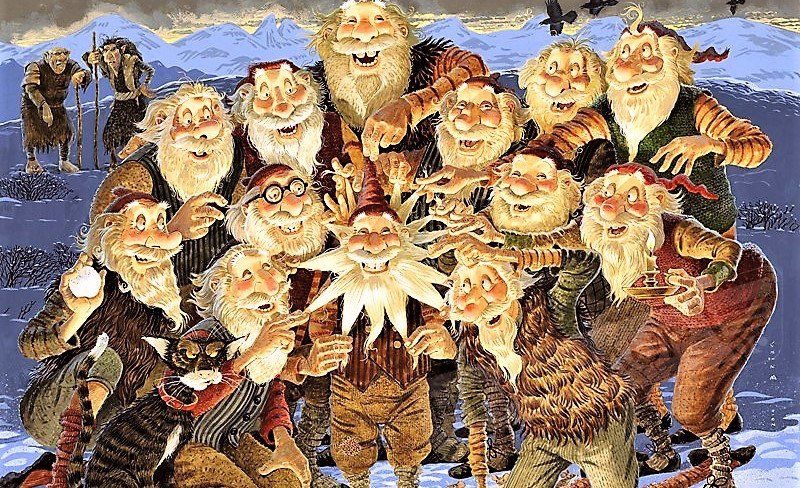
The Icelandic Christmas season officially begins on December 12 with the arrival of the first Yule Lad, a mischievous figure in local folklore. Iceland has thirteen Yule Lads, each visiting one at a time over the thirteen days leading up to Christmas. Unlike Santa Claus, these trolls are more pranksters than gift-givers, and their antics are as notorious as their generosity.
The Lads are children of the infamous ogres Grýla and Leppalúði, who live in a remote cave and were once known for eating misbehaving children. While the Yule Lads used to imitate their parents’ frightening habits, today they are playful tricksters, leaving small gifts or notes in children’s shoes placed on windowsills. Naughty children might even find a rotten potato instead of candy!
Gimpy, Come on Down!
Each Yule Lad has a distinct personality and prank. Here are some favorites, in order of appearance:
- Stekkjarstaur (Gimpy) – A lame troll who bothers sheep.
- Giljagaur (Gully Imp) – Hides in gullies to steal milk from cows.
- Stúfur (Itty Bitty) – The shortest, known for stealing from pans.
- Þvörusleikir (Pot-licker) – Licks spoons due to extreme thinness.
- Pottasleikir (Pot-scraper) – Steals leftovers from pots.
- Askasleikir (Bowl-licker) – Hides under beds to steal dishes.
- Hurðaskellir (Door-slammer) – Enjoys slamming doors at night.
- Skyrgámur (Skyr-gobbler) – Obsessed with skyr (Icelandic yogurt).
- Bjúgnakrækir (Sausage Stealer) – Snatches sausages from rafters.
- Gluggagægir (Window-peeker) – Spies on people through windows.
- GáttaÞefur (Doorway Sniffer) – Has a huge nose for sniffing special bread.
- Ketkrókur (Meat Hook) – Uses a hook to steal meat.
- Kertasníkir (Candle Beggar) – Steals candles, which used to be edible.
St. Thorlak’s Mass
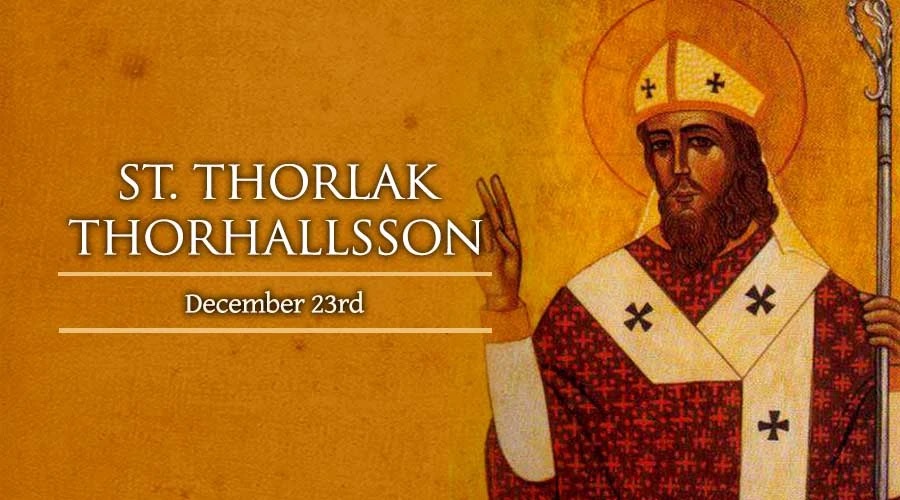
On December 23, Þorláksmessa honors Iceland’s patron saint, Thorlak Thorhallsson. Although it originally marked a church service or mass, today it is mostly celebrated with family, food, and Christmas preparations. Families gather to prepare simple, comforting meals, share laughter and stories, and put the final touches on their Christmas trees. Reykjavik’s first Christmas tree arrived from Oslo in 1862, and today the city keeps the tradition alive, crowning each tree with a twinkling star or special ornament, signalling the start of Christmas in Iceland’s holiday season.
Jól Eve: Aðfangadagur
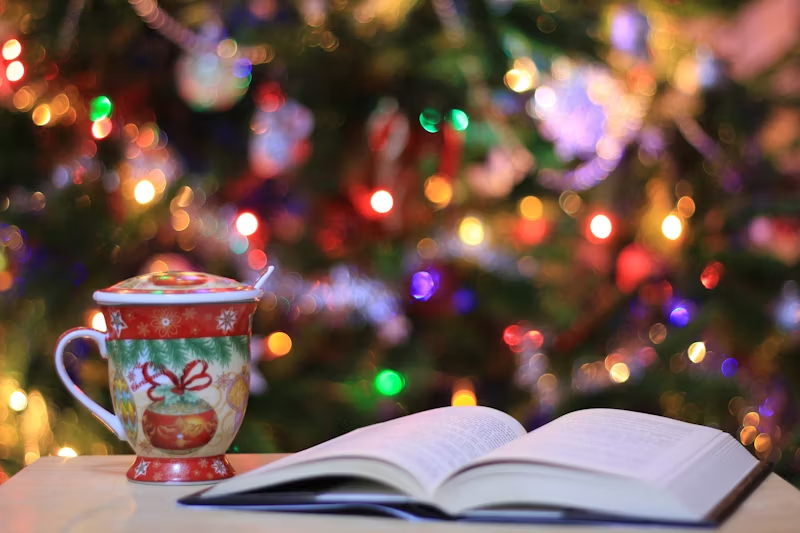
Christmas Eve, or Aðfangadagur, is the highlight of Icelandic celebrations. Traditionally, television broadcasts paused from 5–10 p.m. for families to focus on dinner, gift-giving, and reading. Dinner begins around 6 p.m., followed by exchanging gifts and enjoying treats like hot cocoa or chocolates.
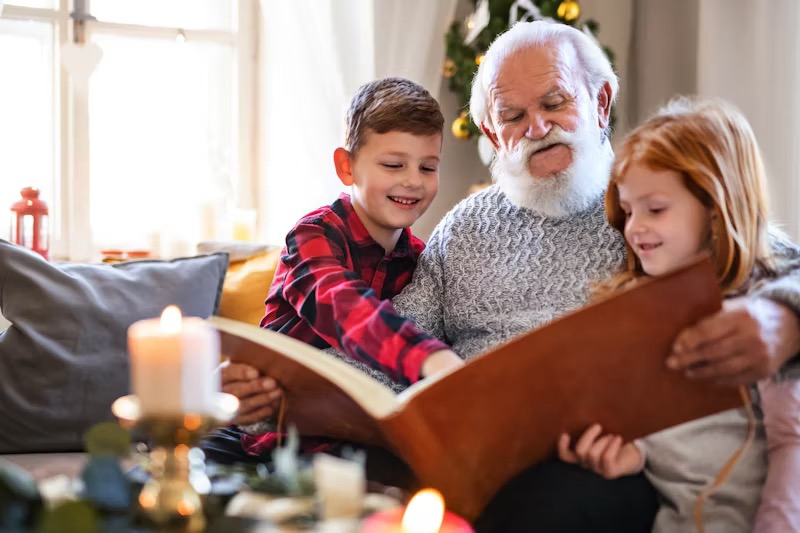
Many Icelanders follow Jólabókaflóð, the Christmas Book Flood. Books are exchanged as gifts, and the evening is spent reading and sharing stories. This beloved tradition began during World War II when paper was abundant but other commodities were scarce. Iceland’s high literacy rate makes books the perfect holiday present, and today, almost 80% of annual book sales occur during this season.
Readers Are Leaders
Iceland’s devotion to reading is extraordinary. Some fascinating facts:
- Roughly one in ten Icelanders will publish a book in their lifetime.
- The average person reads 2.3 books per month.
- Women and families with children are the most avid readers.
- Iceland publishes more books per capita than any other country.
Jólabókaflóð isn’t just a tradition; it’s a reflection of a national culture that values literacy, storytelling, and shared experiences.
Gleðileg jól: Christmas Day
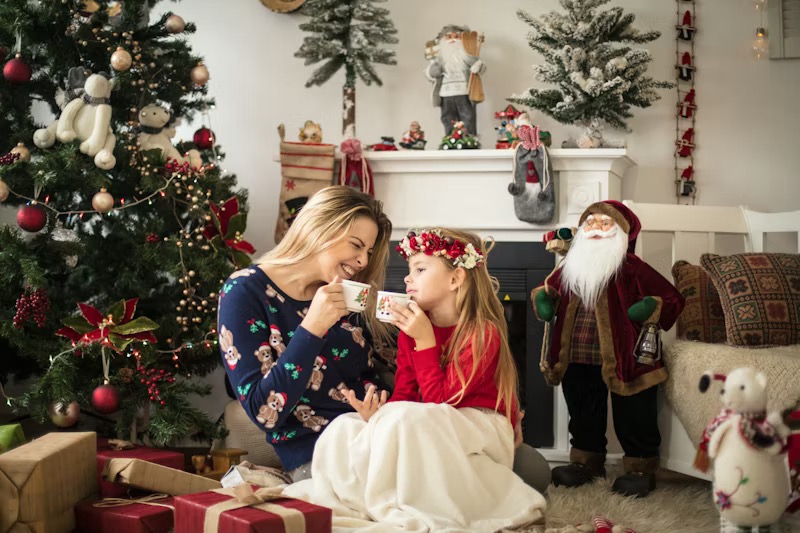
On Jóladagur (December 25), families gather at home, enjoying gifts, meals, and quiet togetherness. Unlike some countries, public celebrations are uncommon. Christmas in Iceland is largely intimate and family-focused.
Annar Jóladagur, or December 26, is the second day of Christmas, also known as Boxing Day. Many continue to relax at home, but in the evening, bars reopen and neighborhood bonfires bring communities together. Fireworks mark the approach of Gamlárskvöld, New Year’s Eve, with over 600 tons launched across the country in a dazzling display.
Iceland’s Holiday Tricksters
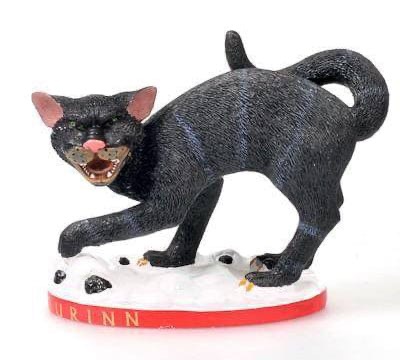
Icelandic folklore adds a playful yet mischievous edge to the holidays. Cows may speak, seals take human form, and elves relocate homes during the season. And beware the Christmas Cat, a fearsome feline said to devour anyone who does not wear new clothes on Christmas Day! These whimsical legends make the celebrations during Christmas in Iceland truly unique, blending myth with reality and adding a touch of suspense to the holiday spirit.

Feasts Fit for the Season
Traditional Icelandic Christmas meals are distinctive and hearty. Favorites include:
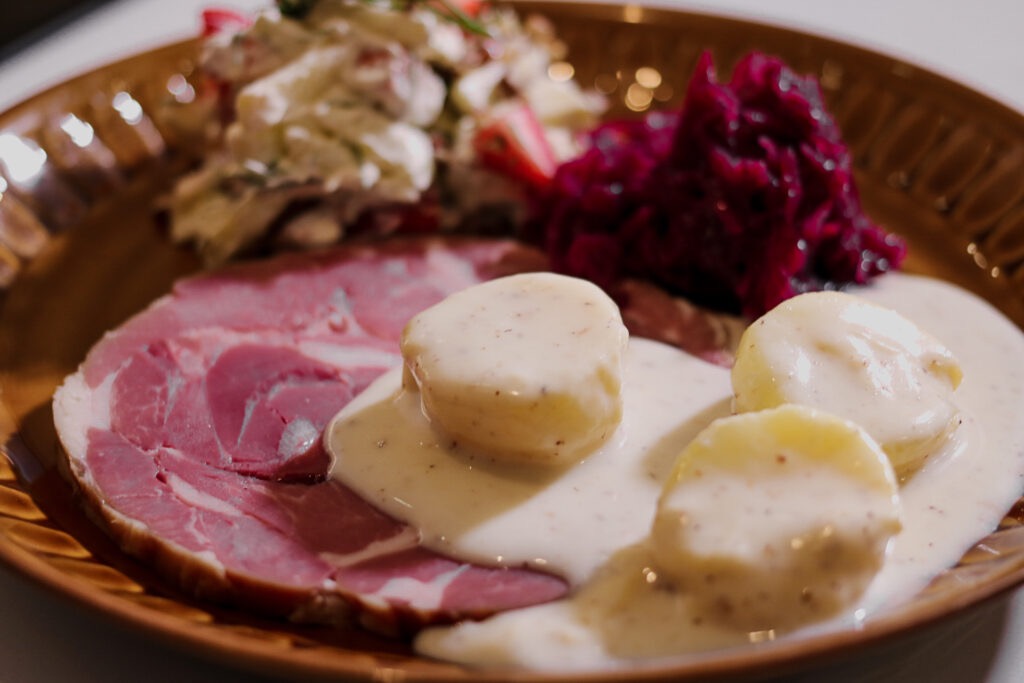
- Hangikjöt – Smoked lamb, often smoked over sheep dung, served with potatoes and béchamel sauce.
- Ptarmigan (Rjúpa) – A mountain grouse, boiled or fried.
- Skate – Fermented fish known for its strong, lingering aroma; traditionally eaten as a daring Icelandic delicacy.
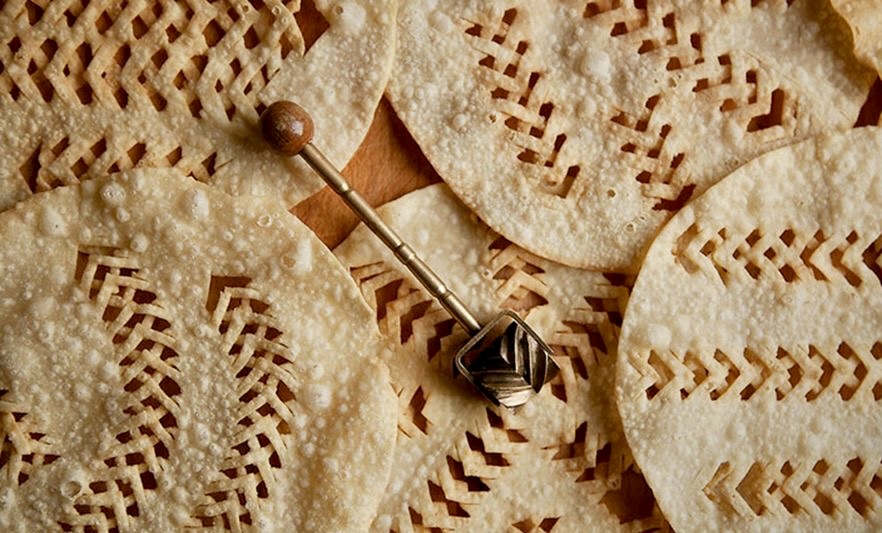
- Laufabrauð – Thin, fried dough cut into intricate leaf patterns, dusted with sugar or butter.
These dishes help families feel a connection to the generations of Icelanders who brought these traditions to life.

Other Things to Do in Iceland at Christmas
In addition to holiday traditions, Christmas in Iceland offers plenty of winter activities to enjoy while visiting in December. Visitors of all ages can enjoy Iceland’s winter magic, taking on everything from sledding to glacier hikes. (Our family certainly enjoyed it as they are pictured below.)
Blue Lagoon
It is also relaxing to enjoy the warm, mineral-rich waters of the Blue Lagoon, even in the middle of winter (one of our favorite activities). The geothermal pools stay comfortably heated while snow and steam create a striking contrast with the surrounding lava fields.


Glaciers
It’s fun to explore Iceland’s glaciers on guided tours too. Winter offers the chance to see ice formations, frozen landscapes, and dramatic glacier tongues up close, providing unforgettable scenery for adventurers and photographers alike. It’s truly surreal to stand next to a magnificent glacier!
Snowmobiling
Take a snowmobile tour across Iceland’s icy terrain, often on glaciers like Langjökull (our son is pictured above having an incredible ride!) Guided excursions let you experience the thrill of gliding over snow and ice while safely taking in the stark, beautiful winter landscapes.
Moments That Matter
The season concludes with Þrettándinn, or the 13th day of Christmas, when decorations come down, the last Yule Lad returns to the mountains, and Icelanders prepare for the year ahead.
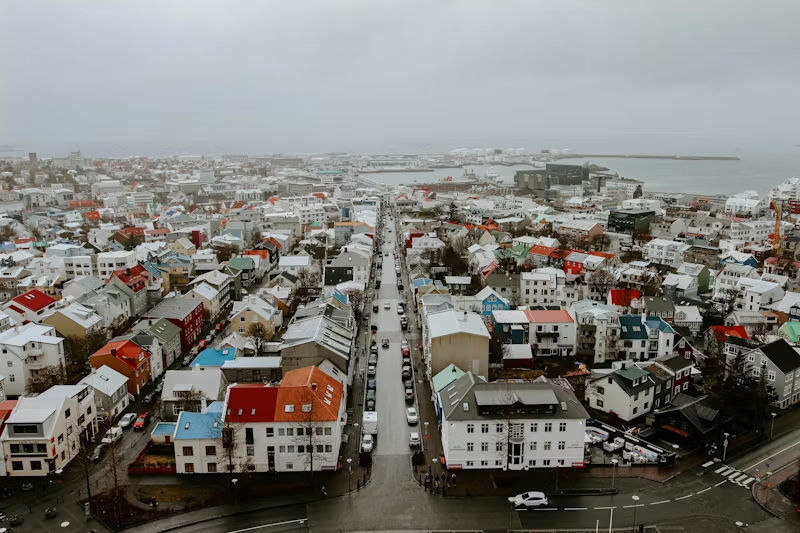
Christmas in Iceland is a celebration of light, folklore, family, and literature, wrapped in unique customs that enchant both residents and visitors alike. A Christmas visit to Iceland lets travelers take in the snowy scenery, festive streets, and traditional holiday customs. It is a rare pleasure to experience this holiday firsthand.
Gleðileg jól!
Join us as we celebrate ’12 Days of Christmas Around the World‘
German Christmas Traditions:Timeless Customs, Stollen & Holiday Magic
Christmas in Finland: A Winter Wonderland
Christmas in Venezuela: Music, Holiday Food & Local Traditions
Christmas in Ukraine: Traditions, Customs and Resilient Celebrations
Japan at Christmas: Illuminations, KFC and Strawberry Shortcake
Christmas in Greece: Celebrating in the Heart of the Mediterranean
Christmas in Spain: Quirky Customs, Delicious Feasts and Family Fun
Wonderful Christmas in Iceland: 13 Yule Lads and Northern Lights
Christmas in Barbados:Unwrapping Joy in the Caribbean Sun
Christmas in Australia: Sun, Surf and Holiday Cheer