
We lived in Mexico City for several years and experienced Christmas in Mexico as a long, clearly defined season rather than a single day. The celebrations were structured, intentional, and tied closely to faith, family, and community events that unfolded over several weeks. What made the season distinctive was the way it was observed publicly and collectively, not quietly or in passing.
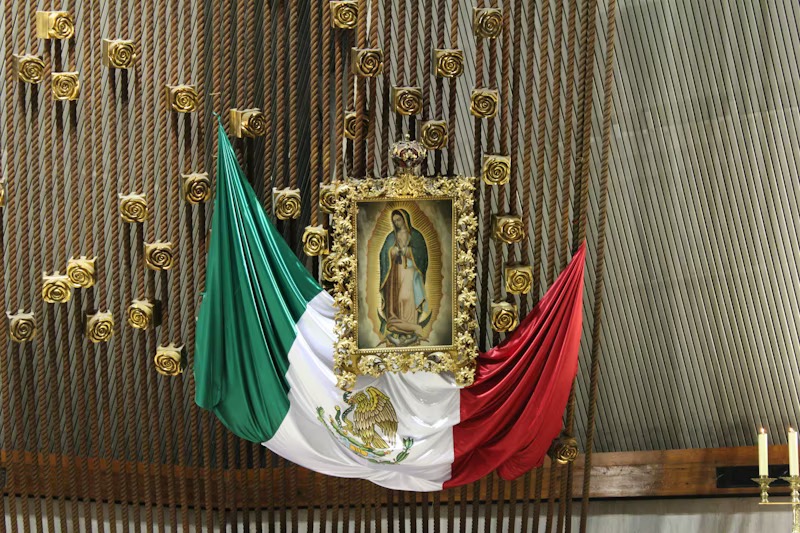
The holiday season officially begins on December 12 with the Day of Our Lady of Guadalupe. Having seen this devotion firsthand, it’s hard to overstate its importance. Pilgrims travel from across the country to the Basilica of Guadalupe in Mexico City, many arriving on foot, to honor the Virgin Mary. Across towns and neighborhoods, families mark the day with local gatherings, processions, traditional foods, and music, setting the tone for the weeks that follow.
The Shepherds’ Journey: Las Pastorelas
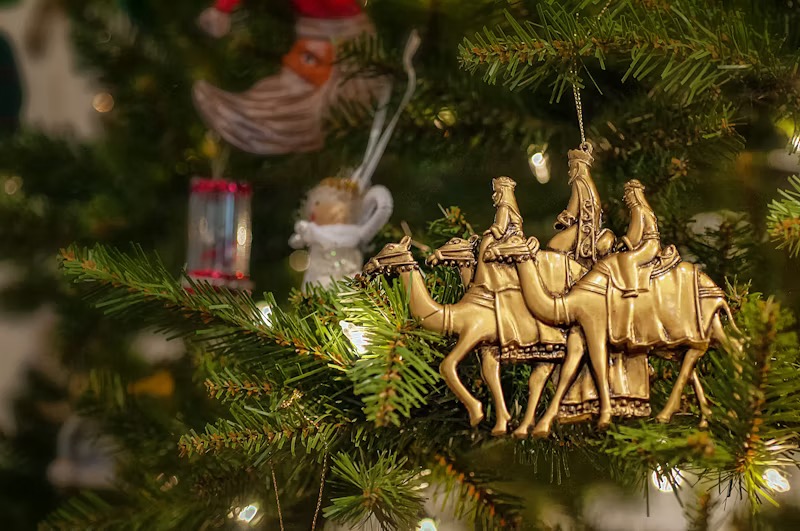
One of the most charming customs during Christmas in Mexico is Las Pastorelas, folk plays depicting the journey of shepherds traveling to see the nativity. These performances vary widely: some are playful and humorous, while others are more serious, showing the obstacles posed by the Devil and the eventual triumph of good. The plays take place in churches, community centers, and even streets, inviting locals and visitors alike to participate in storytelling that blends both faith and entertainment.
Finding Shelter: Las Posadas
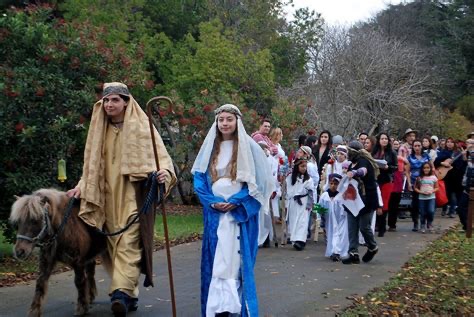
Beginning on December 16 and continuing through Christmas Eve, Las Posadas reenact Joseph and Mary’s search for lodging in Bethlehem. Neighborhoods come alive as children and adults, often dressed in white, go door-to-door singing, asking for shelter. Each night, a different home hosts the celebration, welcoming guests with music, food, piñatas, and fireworks. The communal spirit during these evenings is remarkable — neighbors gather, families cook together, and children carry on a tradition which is profoundly meaningful.
Noche Buena: Christmas Eve
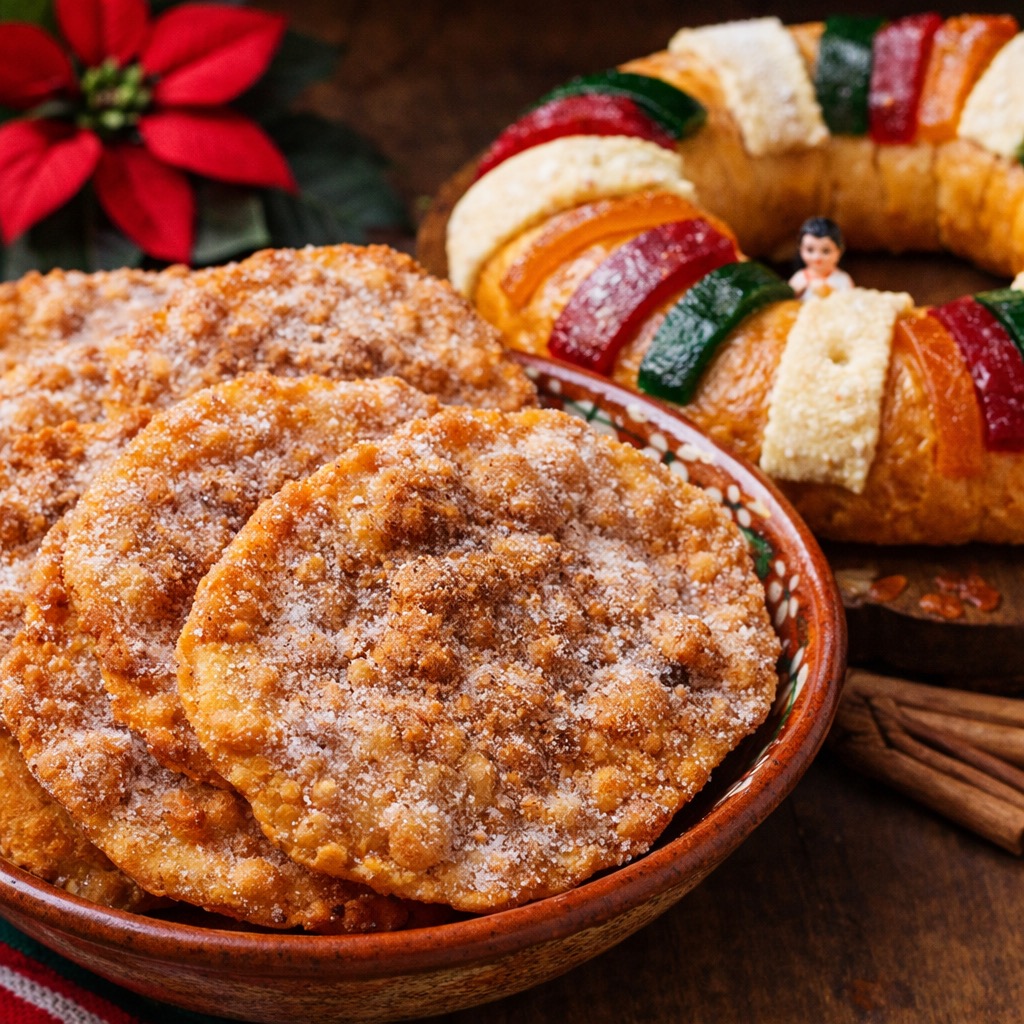
Christmas Eve, or Noche Buena, is the highlight of the season. Families attend the Misa de Gallo, or “Rooster Mass,” at midnight before returning home to share an elaborate feast. Traditional dishes include bacalao a la Vizcaina, a stew made with salted cod, potatoes, onions, peppers, and raisins, and pozole, a hearty soup of hominy, meat, chiles, and vegetables. Other favorites are Ensalada Nochebuena, a colorful salad of jicama, oranges, beets, apples, pomegranate seeds, and nuts, often dressed with a citrusy, slightly spicy sauce. Dessert might include buñuelos, crispy pastries dusted with sugar and cinnamon, and rosca de reyes, a sweet bread with a hidden figurine of the Baby Jesus, linking Christmas to the Epiphany celebration on January 6. (Both desserts pictured above)

Nochebuena and Nacimientos: Decorating for Christmas in Mexico
Mexican homes and public spaces glow with lights and colors throughout the season. Poinsettias, or Nochebuena, are native to Mexico and were valued by the Aztecs for their vibrant color and as a source of natural dye. Legend says that in the 16th century, a poor girl’s simple gift of weeds miraculously bloomed into bright red flowers, linking them to Christmas. The plant was later named for Joel Poinsett, the first U.S. ambassador to Mexico, who introduced it to the United States in the 1820s.

Nativity scenes, or nacimientos, are another central tradition. Found in homes, churches, and public squares, they range from simple figurines to elaborate displays incorporating local animals, landscapes, and traditional attire. Nacimientos combine faith with cultural expression, serving as spiritual reminders of Christ’s birth and as a way for families and communities to showcase creativity and pride. In many towns, public nacimientos become gathering places, bringing neighbors together and passing traditions from one generation to the next.
Epiphany and Beyond: El Día de Reyes
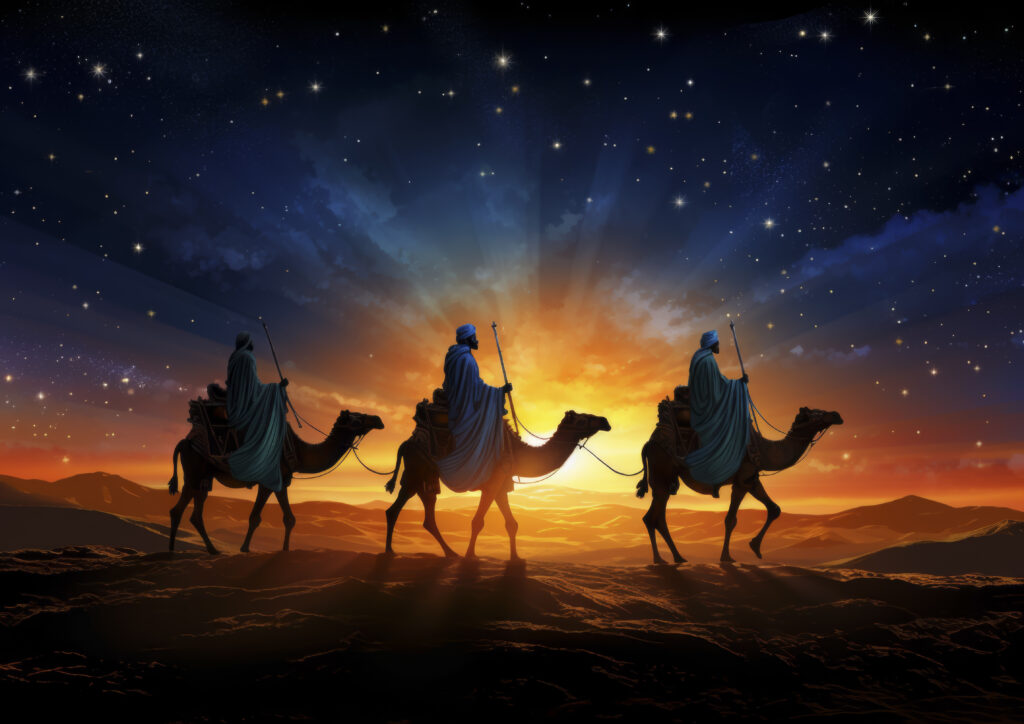
The holiday season does not end with Christmas. On January 6, Mexicans celebrate El Día de Reyes, or the Three Kings’ Day, marking the visit of the Magi to the Baby Jesus. Families gather once again for a meal and share the rosca de reyes, which contains a small figurine of the Christ child. The person who finds the figurine is expected to host a party on February 2, La Candelaria, also known as the Feast of the Candles. This day includes parades, music, and traditional foods, extending the holiday season even further and reinforcing connections among family and community members.

Regional Festivities and Unique Traditions
Certain regions of Mexico offer particularly unique experiences during Christmas. In Oaxaca City, the Noche de los Rábanos, or Night of the Radishes, takes place on December 23. Locally grown radishes are carved into intricate figures, from animals to depictions of the Virgin Mary, and displayed at markets for visitors to admire. It’s a tradition that combines creativity, competition, and celebration in a way found nowhere else.
Other towns and cities may host local fairs, processions, or fireworks displays, each adding its own character to the holiday season. These regional variations show how diverse and dynamic Christmas in Mexico truly is, allowing each community to contribute its own voice to the larger tapestry of celebration.

Food and Drink: A Shared Experience
Food is central to the holiday season in Mexico, and every family has its own specialties. In addition to the dishes already mentioned, tamales are common, often made with masa, meats, or sweet fillings, wrapped in corn husks, and steamed. Drinks include ponche navideño, a warm punch made with fruits, spices, and sometimes alcohol, and rompope, a creamy, rum-based eggnog enjoyed by adults. Meals are long, lively, and inclusive, emphasizing sharing and togetherness.

The Spirit of Christmas in Mexico
What makes Christmas in Mexico memorable to us is the energy and liveliness of the celebrations. Children laugh as they break piñatas, families gather around long, shared meals, and neighbors stop by to chat while fireworks light up the night sky. Streets and plazas are filled with music, decorations, and the smell of traditional foods like tamales and ponche navideño.
It’s a season built on participation and connection. Nativity displays (nacimientos) draw people into plazas and community spaces, local performances like Las Pastorelas invite audiences to join in the storytelling, and neighbors come together to celebrate with music, food, and shared traditions. These everyday experiences—laughter, conversation, and shared meals—are what make Christmas in Mexico feel authentic, vibrant, and deeply rooted in community.

Experience It Yourself
If you’re planning a visit, the best way to experience Christmas in Mexico is to join in rather than just observe. Go to a Posada, taste ponche navideño from a street vendor, visit a local mercado, or take a moment to admire a nacimientos display in a plaza. These experiences offer insight into how deeply faith, family, and community are woven into the season—and leave an impression that no guidebook can capture.

Memories That Last
For visitors, the magic of Christmas in Mexico often comes from the authenticity of everyday celebrations. It’s not just the big festivals or elaborate foods—it’s the way people come together, how traditions are shared across multiple generations, and the pride communities take in their customs. Christmas here leaves a lasting memory because it feels lived-in, meaningful, and unhurried—a season that belongs as much to the people as to the calendar.
Join us as we celebrate ’12 Days of Christmas Around the World‘
German Christmas Traditions:Timeless Customs, Stollen & Holiday Magic
Christmas in Finland: A Winter Wonderland
Christmas in Venezuela: Music, Holiday Food & Local Traditions
Christmas in Ukraine: Traditions, Customs and Resilient Celebrations
Japan at Christmas: Illuminations, KFC and Strawberry Shortcake
Christmas in Greece: Celebrating in the Heart of the Mediterranean
Christmas in Spain: Quirky Customs, Delicious Feasts and Family Fun
Wonderful Christmas in Iceland: 13 Yule Lads and Northern Lights
Christmas in Barbados:Unwrapping Joy in the Caribbean Sun
Christmas in Australia: Sun, Surf and Holiday Cheer