
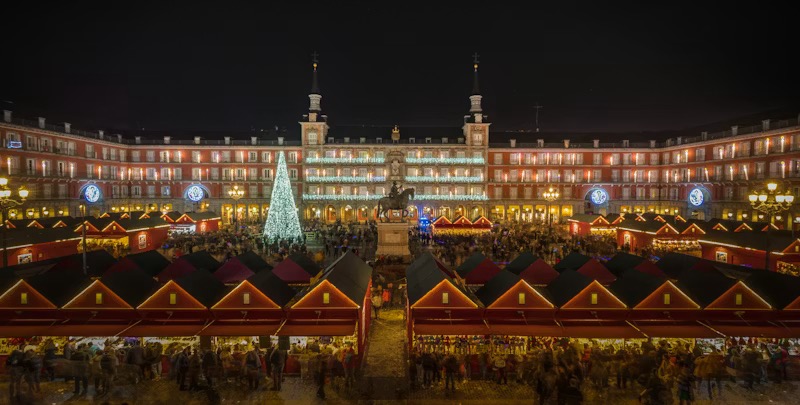
Christmas in Spain is full of surprises—unusual customs, playful rituals, and meals that bring families together for hours. Imagine searching for a hidden pooping figurine tucked into a nativity scene, hitting a Christmas log until it “delivers” candy, or joining the excitement of a nation-wide lottery that has everyone on edge. Streets and markets bustle with holiday energy, and families gather to enjoy elaborate dinners that last well into the evening. Spain’s holiday season is a fascinating mix of fun, folklore, and food.
A More Relaxed Holiday Spirit
Compared to other countries, Christmas in Spain is less commercial. Shops and streets begin decorating in early December, but homes typically wait until mid-month to put up their Christmas trees. Holiday markets start to appear across cities and towns, offering handmade crafts, ornaments, and nativity figurines. Strolling through these markets with a warm cup of chocolate in hand is a cherished way to soak in the season.
Even after shopping is complete, nightlife continues into January. Locals meet friends for evening gatherings, blending casual outings with the excitement of the holiday period.

Nativity Scenes Take Center Stage
In Spain, the main decoration in homes isn’t the tree—it’s the nativity scene, or Belén. Every household showcases intricate miniatures depicting life in the village, the manger, and the arrival of the Three Kings. Public squares and parks often feature elaborate nativity displays, with some businesses opening their doors to let visitors admire the craftsmanship.
The Caganer: A Hidden Surprise
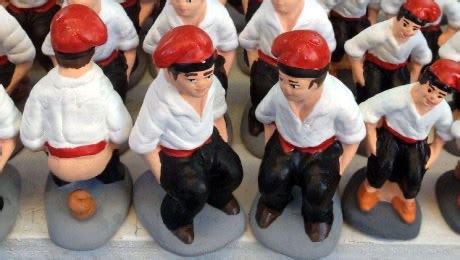
Perhaps the most unusual addition to Spanish nativity scenes is the caganer, a small figurine of a person squatting with pants down. While it might seem odd, the figure carries a centuries-old meaning: for farmers, it symbolizes fertility and the hope of a prosperous harvest. Families hide the caganer in a corner of the scene, turning it into a playful search for children and adults alike.
Regional variations are plentiful. In Catalonia, caganers range from traditional peasants to modern celebrities, athletes, or political figures. True collectors have amassed hundreds of versions, showing the figurine’s evolution from a humble peasant to a whimsical, contemporary icon. The caganer adds humor and a touch of irreverence, reminding everyone that Christmas in Spain blends solemn celebration with playful cultural quirks.
Many families even use the hunt for the caganer as a game, making children look carefully for it among the miniature villagers, shepherds, and livestock. This little figure creates lots of laughter, conversation, and curiosity, keeping the festive spirit alive in an unexpected way.
El Tió: The Christmas Log That Gives Gifts
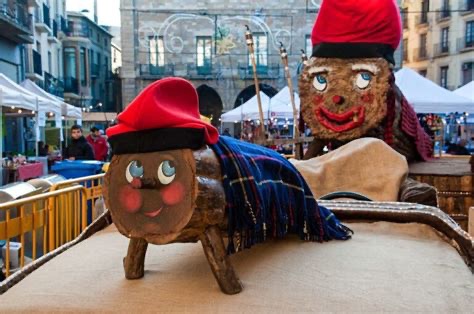
In Catalonia, children interact with El Tió, or the Christmas log. This small log is often painted with a cheerful face and little legs, placed prominently in the home. Leading up to Christmas, children “feed” the log and cover it with a blanket to keep it warm. The custom encourages storytelling and family bonding, as kids care for the log just like a pet.
Then, on Christmas Day, the excitement peaks. Children strike the log with sticks while singing traditional songs, hoping it will release small gifts or candy hidden beneath the blanket. Parents often sneak treats under the cover, making the moment magical and full of surprises. When the log “poops” out onions or garlic at the end, the children know the game is finished. This silly tradition adds a unique twist to Spain’s holiday celebrations, showing the blend of folklore, and uniqueness which characterizes the season – and makes it fun!
El Gordo: The Big Christmas Lottery
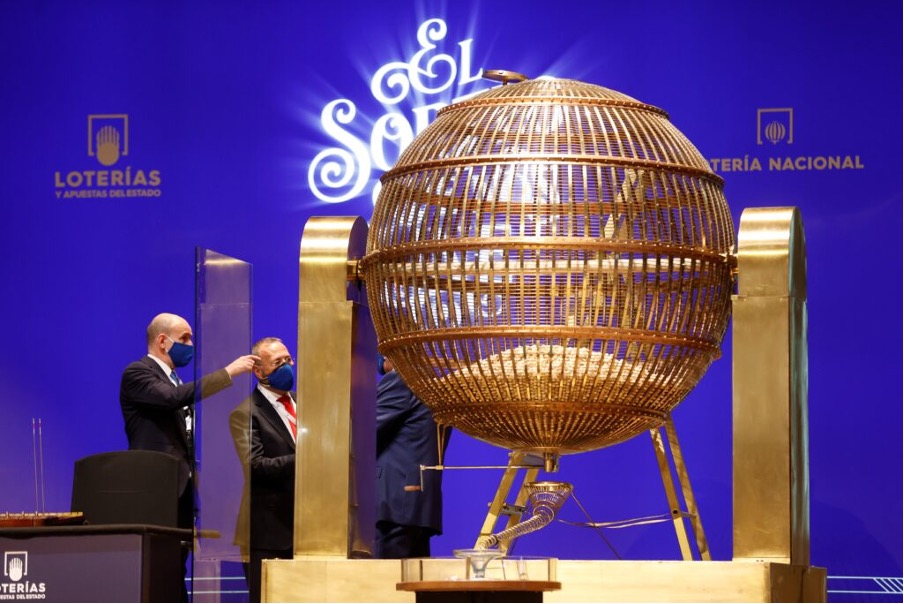
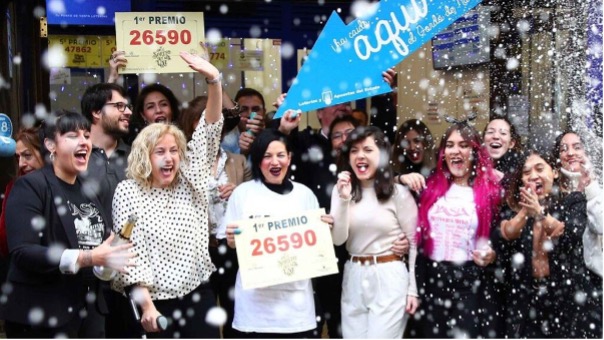
No discussion of Christmas in Spain is complete without El Gordo, the country’s massive lottery on December 22. Millions participate, and the excitement is palpable as tickets are drawn. Families often buy tickets together, sharing the cost and dividing any winnings. Spectators cheer as children from the official lottery school sing the winning numbers, making the event a national spectacle. Some regions have lucky rituals, such as rubbing a pregnant woman’s belly, a bald head, or even a cat’s back, in hopes of extra fortune.
Noche Buena and Holiday Feasts
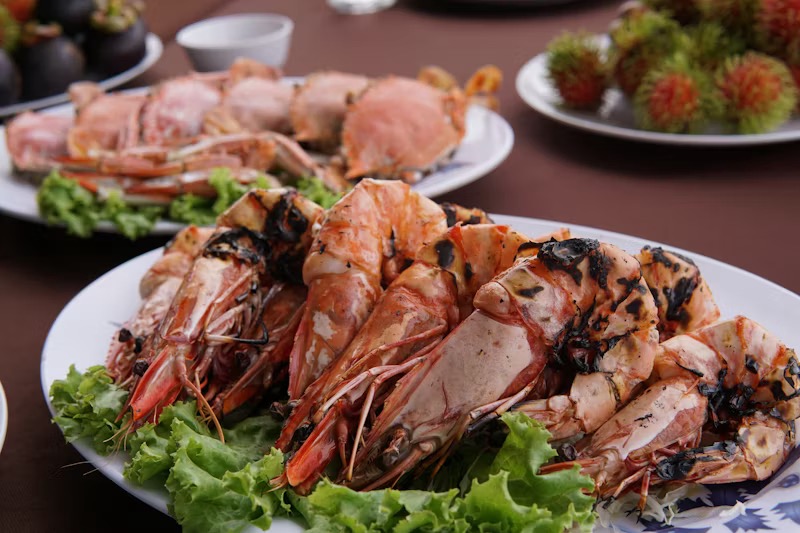
Christmas Eve, or Noche Buena, is the most significant family gathering of the year. In the afternoon, locals may meet friends for a quick drink, but by evening, attention shifts to family meals. The feast often begins with seafood, particularly in coastal areas, followed by roast lamb, turkey, or other regional favorites.
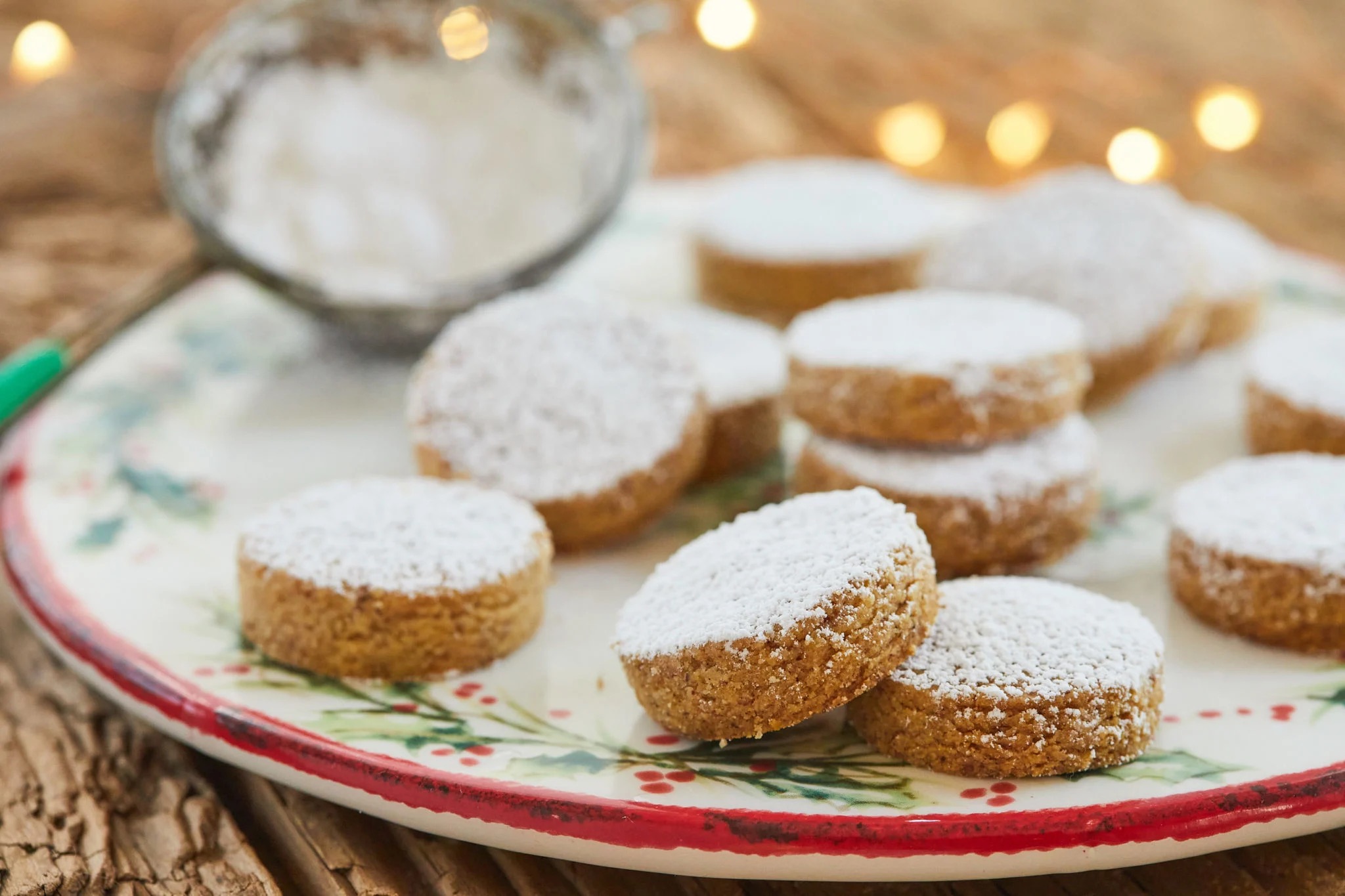
Desserts are central to the celebration. Turrón, a nougat made with toasted almonds, and polvorones, crumbly almond cookies, appear on nearly every table. Many families enjoy mantecados, melt-in-your-mouth shortbread, and the Roscón de Reyes, a cream-filled ring-shaped cake served on Epiphany (January 6) to commemorate the Three Kings. Hidden inside the Roscón may be a small figurine or bean, promising good luck—or the responsibility to host the cake next year.
If you are looking for a simple, delicious version of these wonderful polvorones cookies (pictured above), we recommend the recipe from Bigger Bolder Baking. They provide clear instructions and helpful tips for a perfect batch every single time. You can find the full recipe here.
Festive Customs and New Year’s Fun
Christmas in Spain’s holiday celebrations extend beyond December 25. St. Stephen’s Day (December 26) is observed in Catalonia with additional meals and family gatherings. Dia de los Inocentes (December 28) mirrors April Fool’s Day, featuring playful pranks called inocentadas.
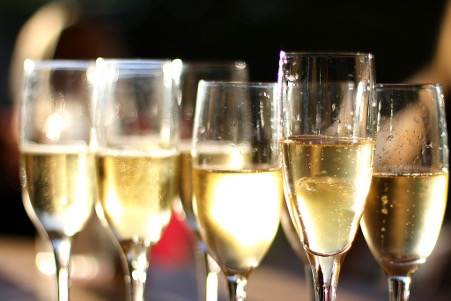
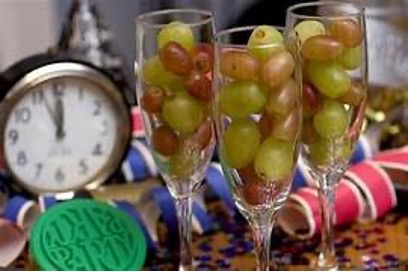
New Year’s Eve in Spain is full of traditions meant to bring good luck for the year ahead. As the clock strikes midnight, everyone eats twelve grapes, one for each chime, hoping for fortune in the coming months. Many wear red underwear for love or prosperity, and the first person to enter a home steps in with their right foot to bring good luck. Families and friends raise glasses of Cava to toast the new year. Being there in person, gives a real glimpse of how Spanish traditions shape the holiday and make it feel truly special.
Three Kings’ Day
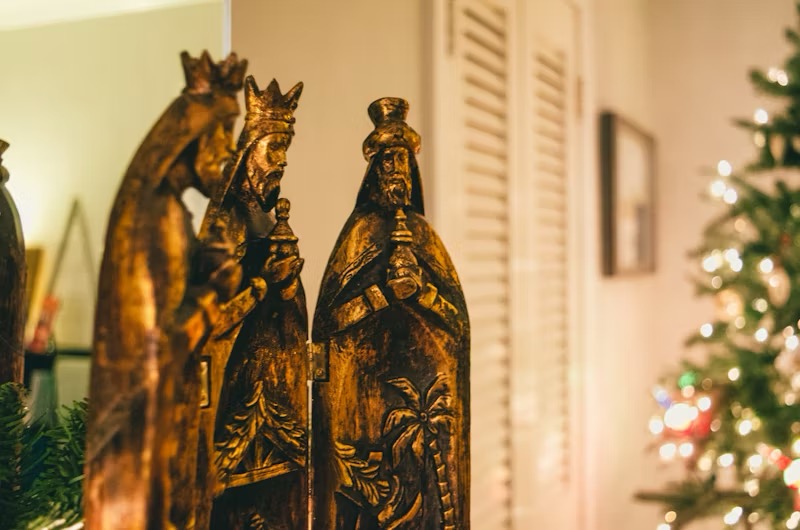
In Spain, the Three Kings are responsible for gift-giving, not Santa Claus. Children receive presents from the Kings on January 6, often leaving out shoes or treats for them and their camels or donkeys. In many cities, parades and celebrations take place in the days leading up to the holiday, featuring colorful floats, music, and candy. The festivities create a sense of anticipation and excitement for both children and adults.
Embracing Family and Community
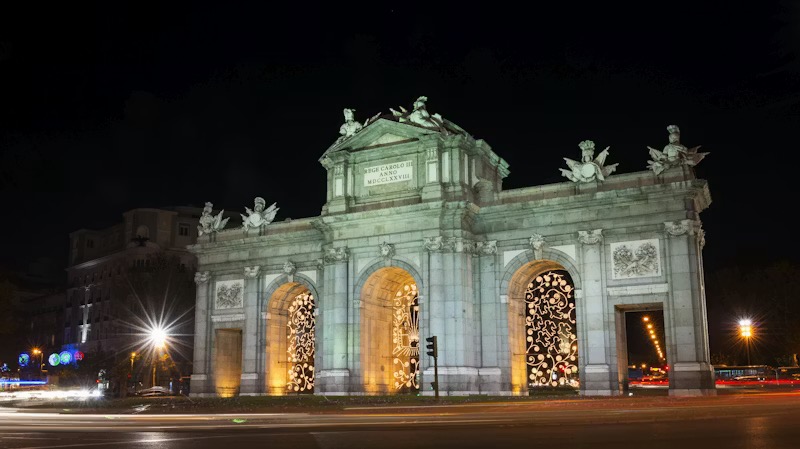
Being in Spain during the holidays offers more than sights and traditions—it’s about experiencing the rhythm of daily life in a unique and playful way. Christmas here revolves around family and friends, and visitors are always made to feel welcome. You’ll catch people shopping for seasonal foods, children practicing carols in the streets, and small local customs that don’t show up in guidebooks. Visiting at this time gives a clear sense of how Christmas in Spain shapes the season, rich in culture and full of flavor.
Join us as we celebrate ’12 Days of Christmas Around the World‘
German Christmas Traditions:Timeless Customs, Stollen & Holiday Magic
Christmas in Finland: A Winter Wonderland
Christmas in Venezuela: Music, Holiday Food & Local Traditions
Christmas in Ukraine: Traditions, Customs and Resilient Celebrations
Japan at Christmas: Illuminations, KFC and Strawberry Shortcake
Christmas in Greece: Celebrating in the Heart of the Mediterranean
Christmas in Spain: Quirky Customs, Delicious Feasts and Family Fun
Wonderful Christmas in Iceland: 13 Yule Lads and Northern Lights
Christmas in Barbados:Unwrapping Joy in the Caribbean Sun
Christmas in Australia: Sun, Surf and Holiday Cheer