
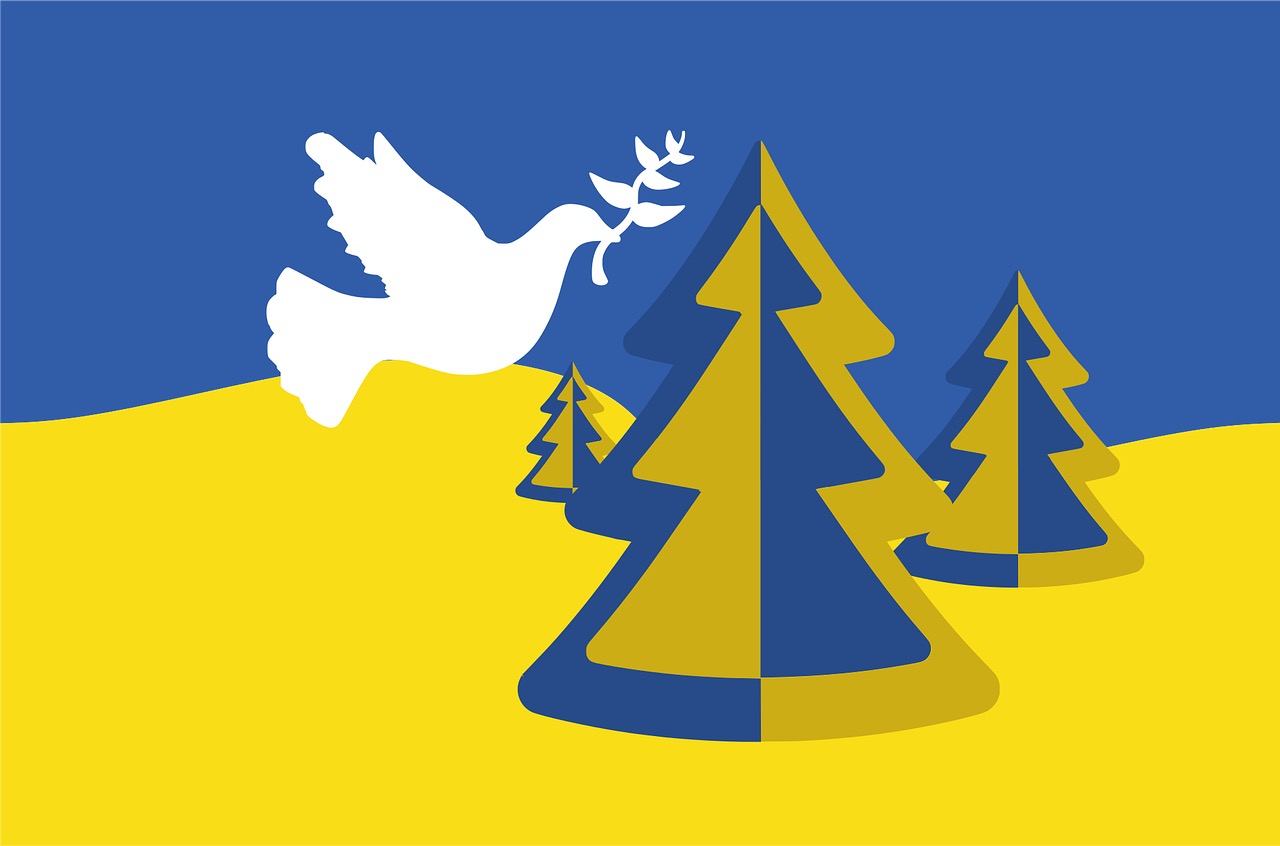
Christmas in Ukraine reflects the strength of a people who continue to hold on to hope and connection. Even amid hardship and conflict, families find ways to celebrate with what they have, focusing on faith, family, and meaningful traditions. At our local church in Houston, TX, we see this firsthand through a Ukrainian Christian group that meets during our Sunday service. They worship in Ukrainian, often wearing traditional clothing, and their presence brings a sense of cultural richness and continuity. Last weekend, one of the women shared how her family celebrates Christmas in Ukraine—traditions they still maintain as much as possible.
The Calendar Change
Historically, Christmas in Ukraine was celebrated on January 7, following the Orthodox Julian calendar. In 2023, the Orthodox Church and government moved the official celebration to December 25, aligning with the global calendar while still respecting long-standing customs. Many families now observe both dates, keeping older traditions alive while adjusting to the change. This shift shows how Christmas in Ukraine is deeply rooted in faith and heritage, even as it adapts to modern life.
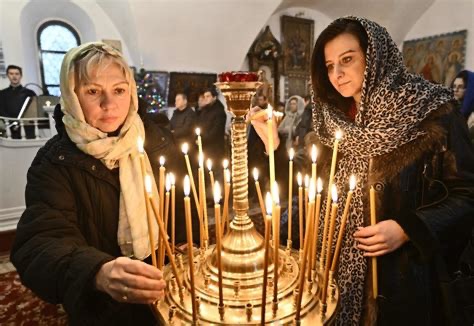
Ukrainian Christmas Traditions
Christmas in Ukraine blends centuries-old customs with local practices. Streets are decorated with handmade ornaments, markets sell traditional foods, and homes prepare for gatherings that are both meaningful and practical. Many households observe a 40-day fast leading up to Christmas, avoiding meat and dairy.
Fortune and Folk Traditions
In the weeks before Christmas, Ukrainians follow customs tied to fortune and well-being. The Day of Presentation of Mary on December 4 traditionally predicts the year ahead based on the first visitor to a home.
Saint Catherine’s Day (December 7) and St. Andrew’s Day (December 13) feature playful fortune-telling for young women, reflecting hopes for happiness and prosperity. These practices blend faith and folklore, showing how deeply traditions are embedded in everyday life.
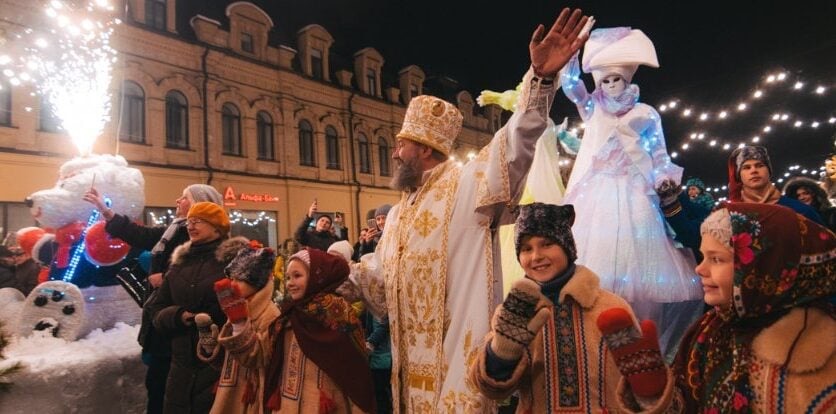
St. Nicholas Day and Home Preparations
St. Nicholas Day on December 19 bridges old and modern customs. Children write letters to St. Nicholas and leave them in windows, hoping for small gifts. Traditionally, misbehaving children received twigs instead. The day is also for practical preparation—cleaning, stocking firewood, and readying the home for winter. These tasks emphasize that Christmas in Ukraine is not just about celebration but about caring for home and hearth.
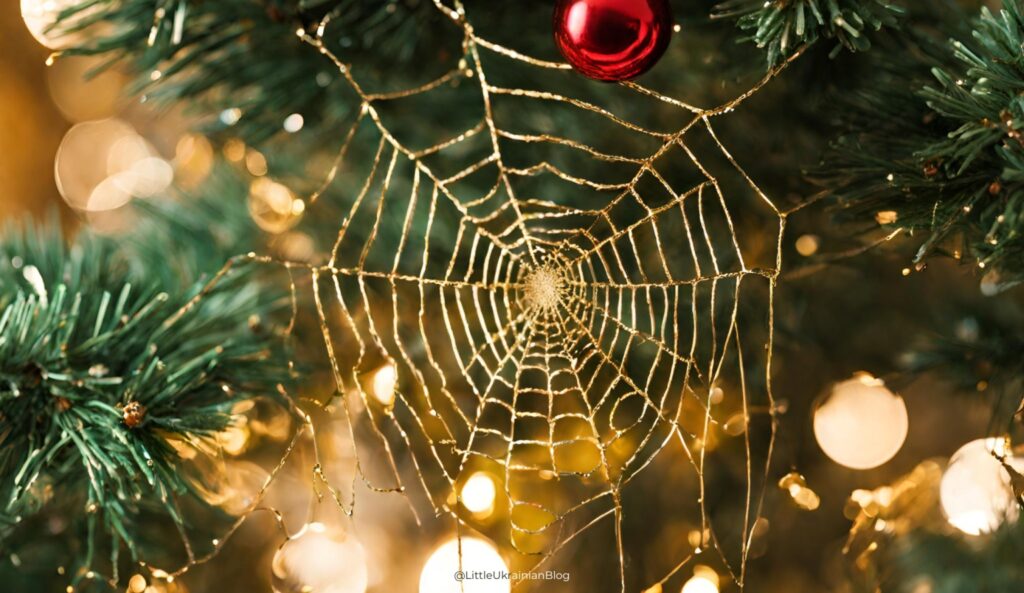
Handmade Decorations and Spider Legends
Christmas decorations in Ukraine are often handmade and full of symbolism. Trees usually feature straw ornaments, paper snowflakes, and other natural elements. In Western Ukraine, spider webs appear on trees, inspired by a beloved story about a poor widow who had no means to decorate her children’s Christmas tree. As the legend goes, a group of spiders heard the family’s prayers and worked through the night, spinning delicate webs across the branches. When morning came, sunlight touched the webs and transformed them into shimmering strands of silver and gold. Because of this, spiders—and their webs—are now seen as symbols of prosperity, protection, and unexpected blessings during the holiday season.
Holy Dinner: Sviata Vecheria
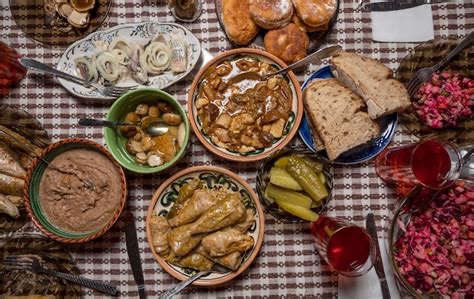
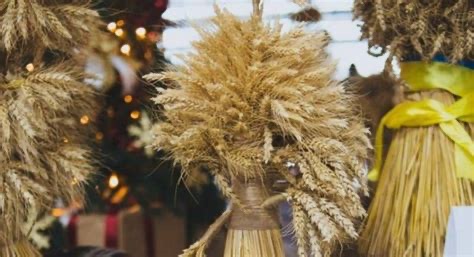
The Holy Dinner begins when the first star appears in the sky on Christmas Eve, representing the journey of the Wise Men. Families display the Didukh, a sheaf of wheat honoring ancestors, and sometimes place hay on the table as a nod to the manger. The meal includes twelve dishes, representing the twelve disciples. Kutia, a sweet porridge of wheat or barley with honey and dried fruits, symbolizes hope and prosperity. Other dishes include cabbage rolls with rice and mushrooms, lean borscht, fish, potatoes, dumplings, and braided bread such as Kalachi or Kolach. Uzvar, a dried-fruit drink, accompanies the meal. Two empty places at the table honor absent family members.
Caroling and Puppet Theaters
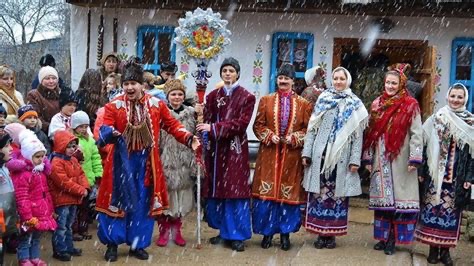
After dinner, Koliadky, or caroling, begins. Once performed only by men, it now includes women as well. Carolers travel through neighborhoods in costumes, often carrying a star representing the Star of Bethlehem. They sing, recite poetry, and perform short sketches, receiving treats or small gifts in return. Midnight church services follow, with greetings of “Christ is Born” and responses of “Let us glorify Him.” On Christmas Day, Vertep puppet theaters perform nativity stories and folktales, blending storytelling, religion, and entertainment.
Gifts and Additional Celebrations
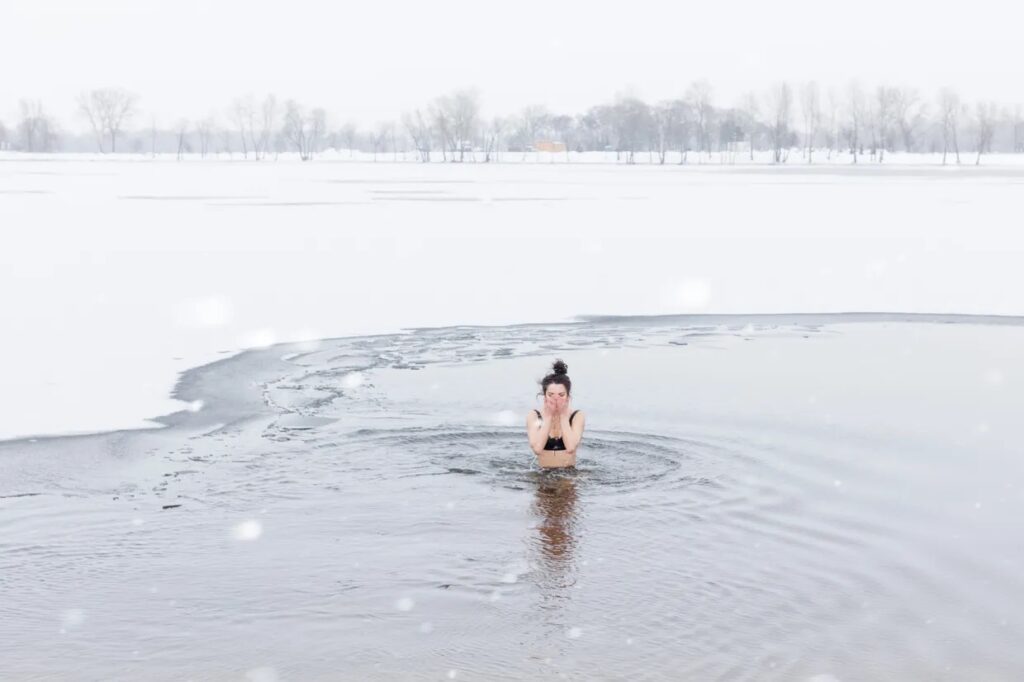
Although December 25 is now the official Christmas date, many families still exchange gifts on St. Nicholas Day. Some dishes from Sviata Vecheria are repeated on January 7, often including meat and dairy. The Malanka carnival, celebrating the Old New Year, features costumes, parades, and community festivities. Vodokhreshche, marking the baptism of Jesus on January 6, involves ice swimming or river bathing for those who participate.
Preserving Culture and Community
Christmas in Ukraine remains a powerful expression of identity, even in uncertain times. Communities come together to share food, music, and blessings, keeping traditions alive through small acts of generosity and remembrance. Families pass down songs, recipes, and rituals that hold deep meaning, ensuring that Ukrainian culture continues to shine from one generation to the next. The season becomes not just a celebration, but a reminder of shared strength and unity.
Experiencing Christmas in Ukraine
Celebrating Christmas in Ukraine today reveals resilience, devotion, and connection. While celebrations may be simpler than in years past, they remain purposeful and heartfelt. Christmas in Ukraine shows how traditions can bring light, hope, and a sense of community, even in the midst of challenges.
Веселого Різдва. (Merry Christmas)
Join us as we celebrate ’12 Days of Christmas Around the World‘
German Christmas Traditions:Timeless Customs, Stollen & Holiday Magic
Christmas in Finland: A Winter Wonderland
Christmas in Venezuela: Music, Holiday Food & Local Traditions
Christmas in Ukraine: Traditions, Customs and Resilient Celebrations
Japan at Christmas: Illuminations, KFC and Strawberry Shortcake
Christmas in Greece: Celebrating in the Heart of the Mediterranean
Christmas in Spain: Quirky Customs, Delicious Feasts and Family Fun
Wonderful Christmas in Iceland: 13 Yule Lads and Northern Lights
Christmas in Barbados:Unwrapping Joy in the Caribbean Sun
Christmas in Australia: Sun, Surf and Holiday Cheer