
Experiencing Christmas in Venezuela offers a close-up view of a holiday season filled with music, color, and everyday traditions. It’s a time shaped by family meals, local customs, and celebrations that fill neighborhoods across the country. For anyone curious about experiencing the holidays in a different culture, Christmas in Venezuela provides a rich, hands-on, immersive experience.
Holiday Preparations
This year, Christmas in Venezuela starts unusually early. President Maduro has announced that Christmas for 2025 will begin on October 1st, citing the people’s “right to happiness and joy.” Early starts are not unusual, so it’s common to see decorations, lights, and festive energy well before December.
Homes tend to be modest but carefully decorated, often freshly painted, with windows lit up and small ornaments or greenery on porches. Markets are lively as families shop for decorations and the ingredients needed for holiday meals, offering a glimpse of how Venezuelans prepare for the season.
Walking through a neighborhood, it’s clear these preparations are meaningful. Families work together, talking and laughing as they refresh their homes and gather items for celebrations. Vendors greet regular customers by name, and shoppers carefully choose spices, meats, plantain leaves, or garlands. Even observing these routines gives a sense of the rhythm of daily life during the holidays.
The Nacimiento: Heart of the Home
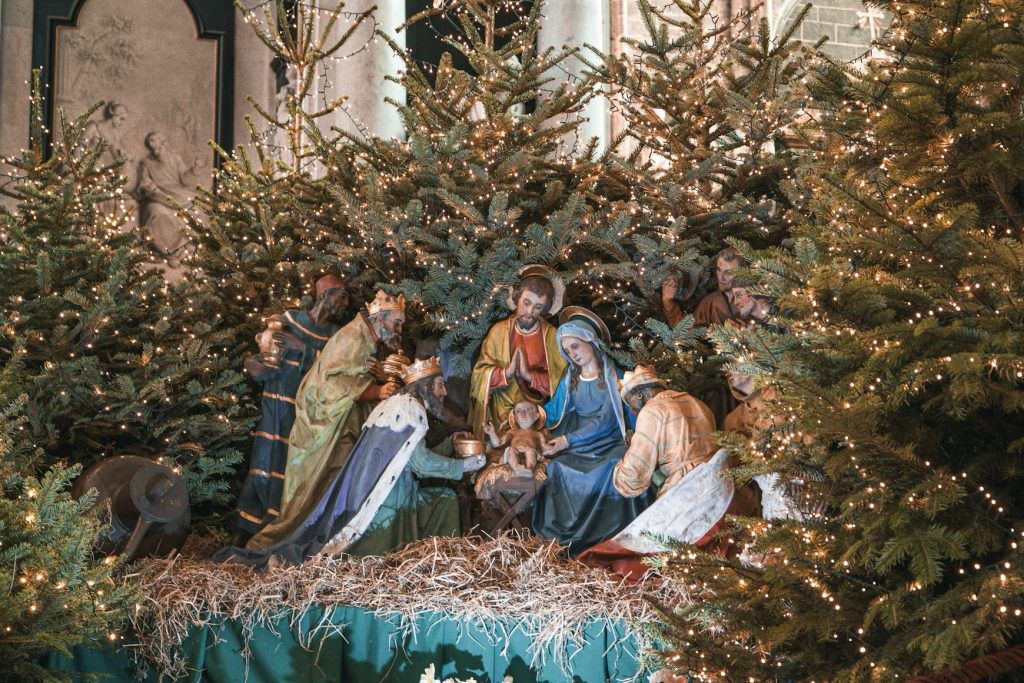
While Christmas trees are more common today, the traditional nacimiento (nativity scene) remains central in most homes. Families often spend hours arranging the figures, creating a scene that reflects care and attention to detail.
Some homes create a pesebre, an elaborate version that includes small mountains, rivers, painted backdrops, or miniature villages. In many neighborhoods, these displays become friendly competitions. Walking through the streets in December, it’s easy to notice which homes have put in extra effort.
Seeing a nacimiento up close is more than decoration—it’s part of family life. You notice conversations, laughter, and small rituals as each figure is placed. It sets the tone for the season and reflects everyday traditions.
Holiday Meals and Flavors
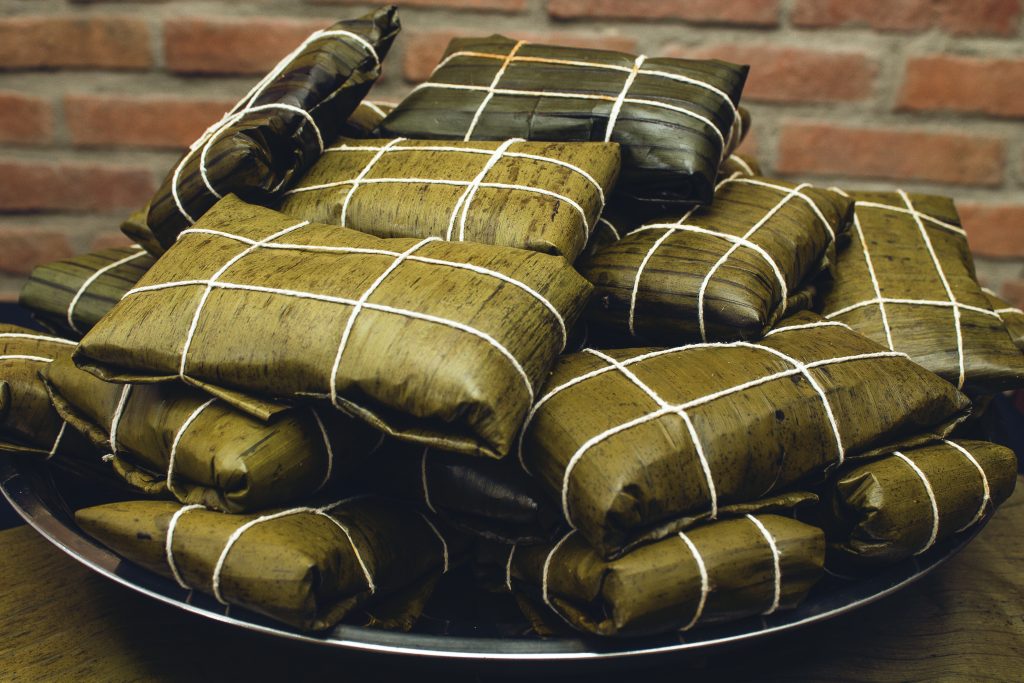
Food is central to Christmas in Venezuela, and sharing a meal with a family offers an authentic taste of the season. The hallaca is the star of holiday cooking: a parcel wrapped in plantain leaves, tied with string, and filled with a mixture of beef, pork, chicken, raisins, olives, and capers. Families often prepare hallacas together over several days, making cooking itself part of the celebration.
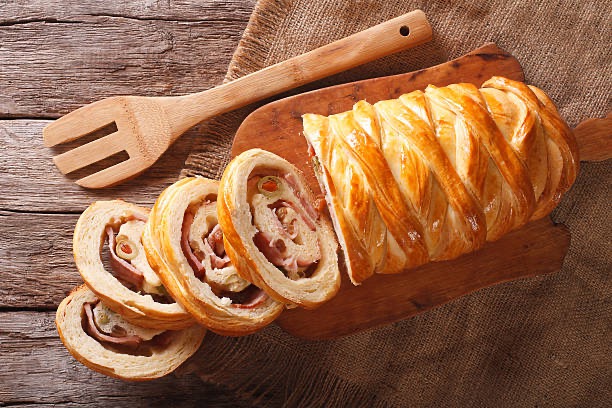
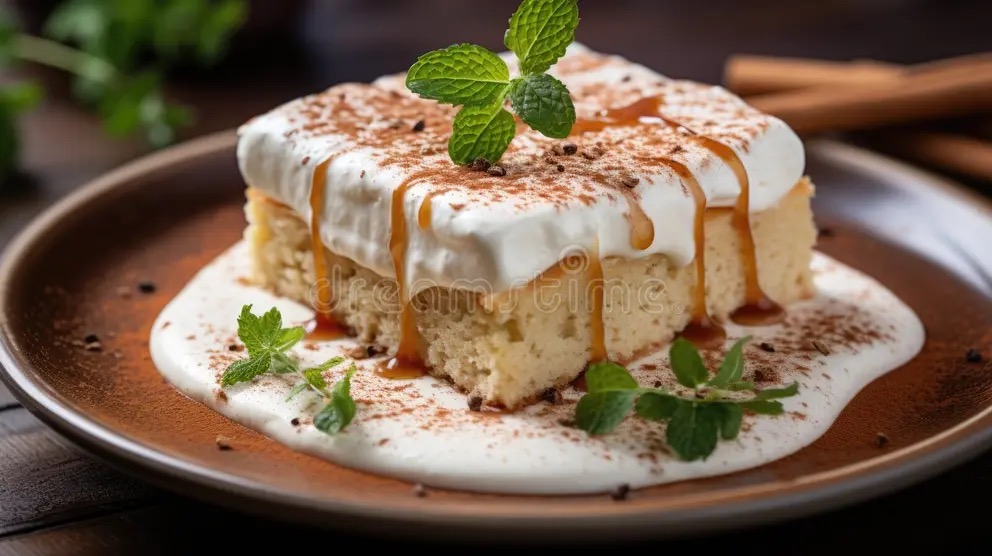
Other staples include pan de jamón, a rolled bread filled with ham, raisins, and olives, and tres leches cake, soaked in three types of milk with a light dusting of cinnamon. Ponche de crema, a creamy mix of eggs, milk, rum, and nutmeg, is poured over ice and enjoyed throughout the season.
These meals are about more than flavor—they’re a way to connect. Families and neighbors gather, share stories while cooking, and carry on traditions that have been part of local life for generations.
Faith at the Center of the Season
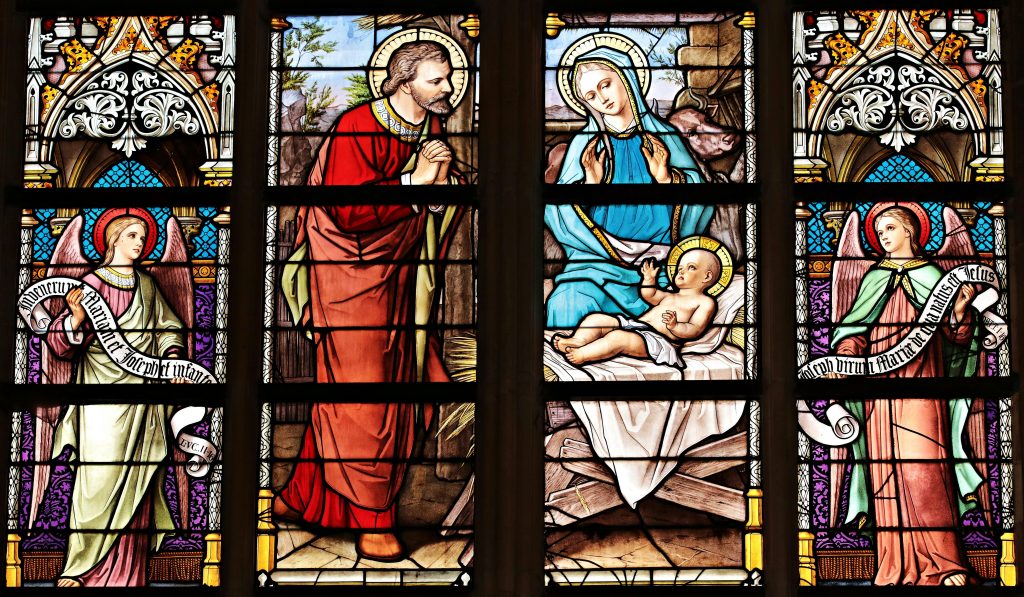
Faith plays a large role in Christmas, guiding daily life through December. Misas de Aguinaldo, early-morning carol services, mark the rhythm of the season. Bells, music, and occasional firecrackers signal gatherings long before sunrise. Observing from the street, you can see how spiritual practices are woven into neighborhood life.
Roller-Skating to Church in Caracas
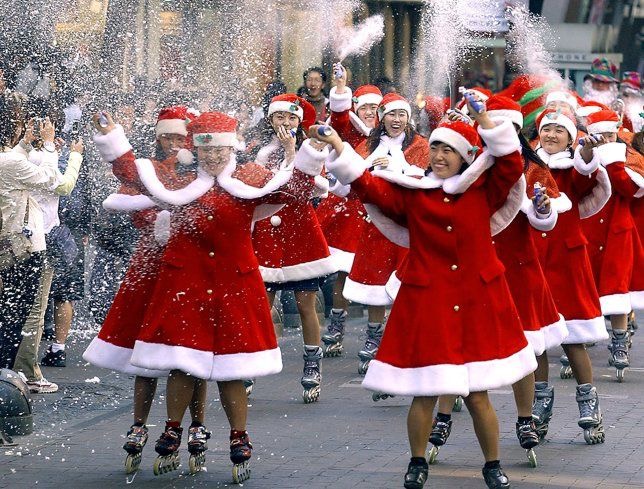
One of the quirkiest and most memorable traditions takes place in Caracas, where residents of all ages strap on roller skates and glide to early-morning church services. Streets are closed to traffic, music plays along the route, and the parade of skaters moves with an energy that’s contagious.
The skating tradition comes with a unique twist: children tie a string around their toe and hang it outside the window. As skaters pass by early in the morning, they tug gently on the strings to make sure kids are awake in time for church. It is a wonderful example of how Venezuelans combine creativity and fun into the holiday season.
Music That Moves Through the Season
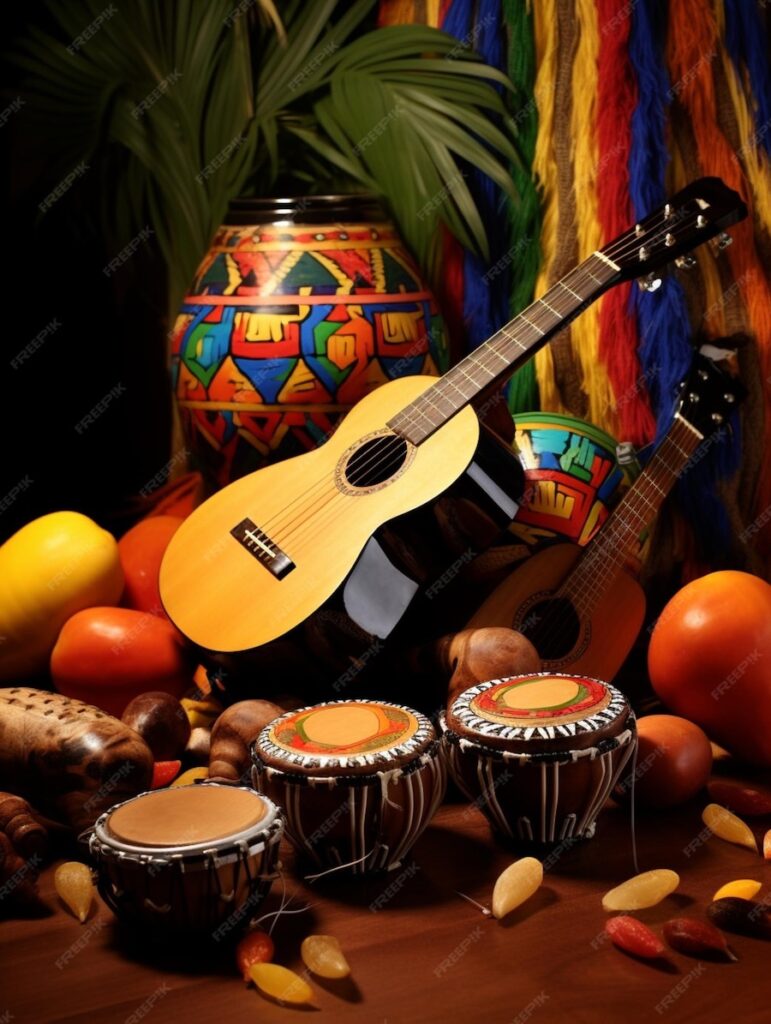
Music is woven into every corner of Christmas in Venezuela, and it’s impossible to ignore. The distinctive rhythm of Gaita, a folk style from Maracaibo played on guitars, drums, maracas, and the tambora, fills markets, plazas, and homes. The season officially kicks off with El Encendido de Bella Vista, a lighting ceremony in early November which signals the start of the season.
Neighborhoods also come alive with aguinaldos, carols sung from house to house. Groups of friends and families walk together, singing and often being invited inside for food or drinks. Unlike a distant performance, these traditions invite participation, letting observers experience the season alongside locals.
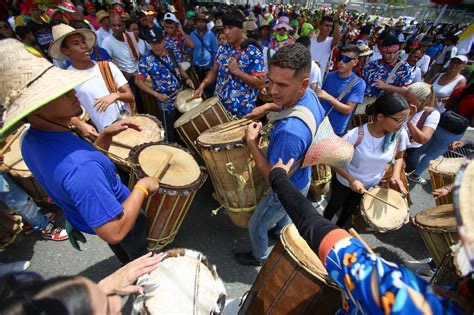
Dancing Through the Streets
Depending on the region, the music can be lively, sometimes blending folk, pop, and salsa into the festive atmosphere. Streets and squares often turn into impromptu dance floors, with people singing, clapping, and moving together. Even if you don’t know the songs, the rhythm, laughter, and shared energy make you feel part of the celebration.
Gaita, a folk style from Maracaibo, fills plazas, homes, buses, and shops throughout December. Played on maracas, cuatro, and tambora (double-sided drum), it has a lively, instantly recognizable tone. Alongside Gaita, groups of neighbors perform aguinaldos, caroling late into the night and sharing food as they move from house to house. These musical traditions invite participation and give a real sense of how communities celebrate Christmas in Venezuela.
New Year’s Eve Traditions
The holiday season in Venezuela doesn’t end on December 25. New Year’s Eve carries its own set of customs, designed to bring luck, prosperity, and happiness in the year ahead.
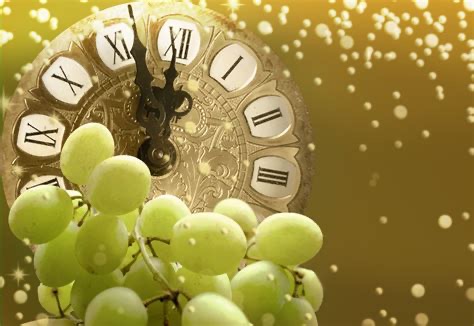
At midnight, many people eat twelve grapes, one for each second of the final countdown, making a wish with each bite. Suitcases come out for those hoping to travel in the new year, sometimes carried around the block or even just across the room as a symbolic gesture.
Keeping money in a pocket or eating lentils signals a hope for financial stability. And there’s the colorful tradition involving underwear: red for love, yellow for wealth, and wearing it backward to ward off bad luck. These rituals offer a window into local practices, blending everyday life with symbolic meaning.
Día de Reyes: Celebrating the Three Wise Men
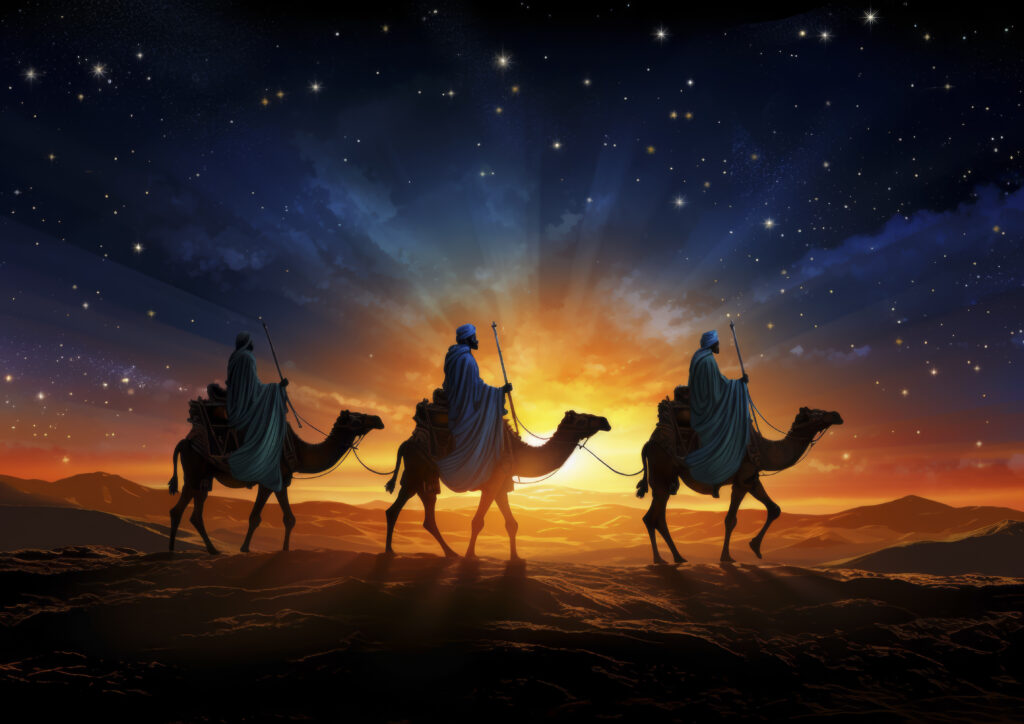
The festivities continue into January with Día de Reyes, or Epiphany, on January 6. Families gather once more for meals, children eagerly receive gifts from the Three Wise Men, and traditional foods like hallacas, cakes, and ponche de crema make another appearance. Staying into early January shows how these celebrations continue well beyond Christmas Day. It shows how deeply Christmas in Venezuela with rich traditions are woven into daily and family life.
Experiencing Christmas in Venezuela
Visiting Venezuela during the holidays is about more than sightseeing. The streets carry energy, the music invites participation, and every neighborhood offers small surprises—from carolers to local treats to playful traditions. The season feels grounded, lively, and genuine. Spending Christmas here leaves visitors with stories shaped by real experiences and the generosity of the people who welcome them into their traditions.
¡Feliz Navidad y Próspero Año!
Join us as we celebrate ’12 Days of Christmas Around the World‘
German Christmas Traditions:Timeless Customs, Stollen & Holiday Magic
Christmas in Finland: A Winter Wonderland
Christmas in Venezuela: Music, Holiday Food & Local Traditions
Christmas in Ukraine: Traditions, Customs and Resilient Celebrations
Japan at Christmas: Illuminations, KFC and Strawberry Shortcake
Christmas in Greece: Celebrating in the Heart of the Mediterranean
Christmas in Spain: Quirky Customs, Delicious Feasts and Family Fun
Wonderful Christmas in Iceland: 13 Yule Lads and Northern Lights
Christmas in Barbados:Unwrapping Joy in the Caribbean Sun
Christmas in Australia: Sun, Surf and Holiday Cheer