
Tucked into the heart of East Africa, Burundi is a small but culturally rich country with welcoming communities, rolling hills, and centuries-old traditions. Often overlooked, it offers a rewarding and intimate experience for travelers who want to connect with the rhythm of rural life, traditional drumming, and the shores of one of Africa’s great lakes.
Top Things to Do in Burundi
Relax by Lake Tanganyika
Stretching along the western edge of Burundi, Lake Tanganyika is one of the world’s largest and deepest freshwater lakes. Bujumbura’s lakeside beaches, like Saga Plage, offer a peaceful setting for swimming, relaxing, and watching colorful sunsets over the water.
Visit the Source of the Nile
Located near Rutovu in southern Burundi, this peaceful spot is marked by a pyramid and stone monuments and is one of several claimed sources of the Nile River. The surrounding hills and countryside are perfect for scenic drives and short hikes.
Explore Gitega and the National Museum
Gitega, the political capital, is home to the National Museum, which offers insights into Burundi’s royal history, traditional crafts, and cultural practices. It’s a good place to begin understanding the country’s deep cultural roots.
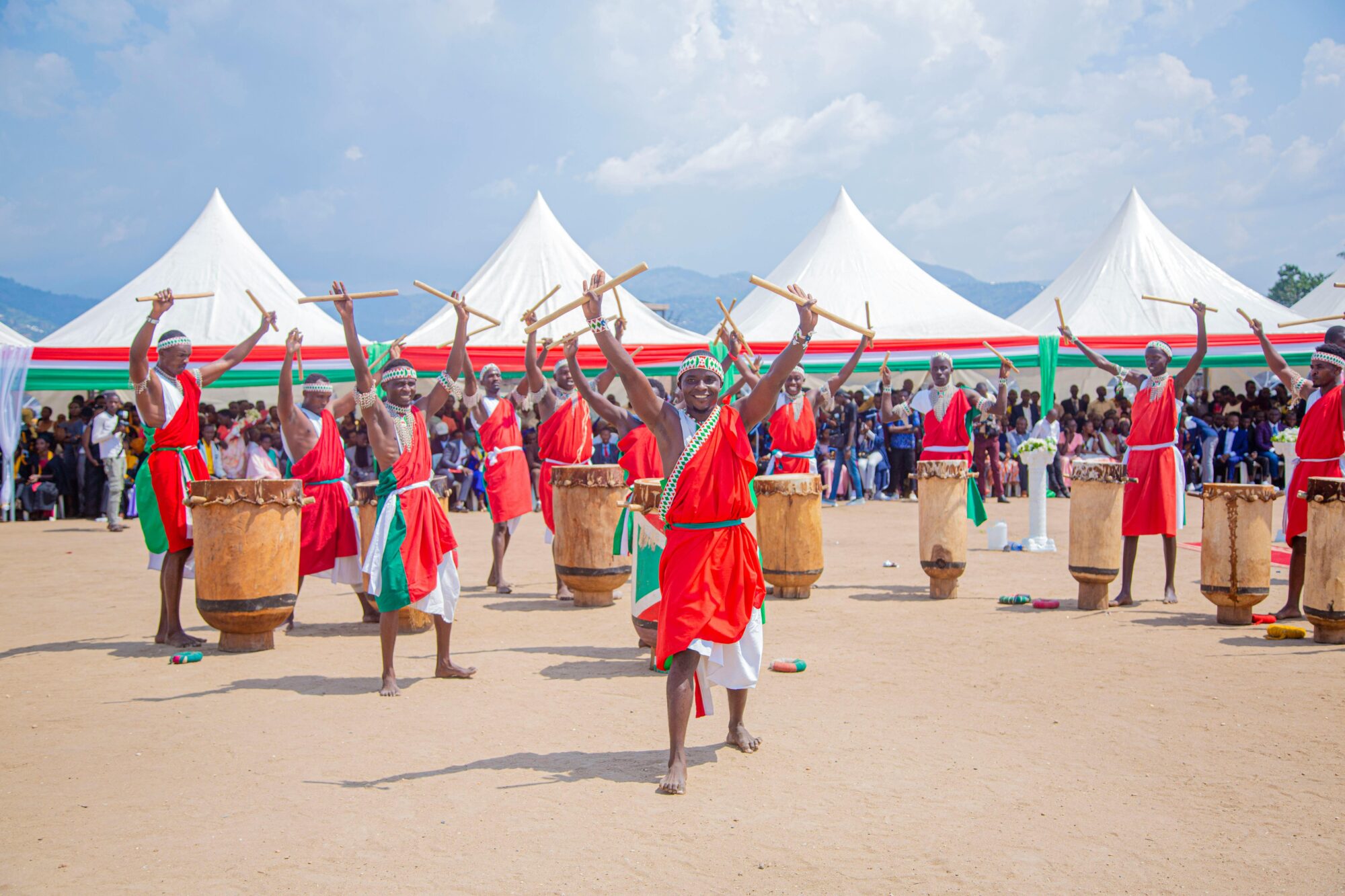
Witness the Royal Drummers of Burundi
The ancient drumming tradition of Burundi is one of the country’s most iconic cultural expressions. The drummers perform powerful, rhythmic routines that are both spiritual and celebratory. Performances can be seen at festivals, cultural centers, or by arrangement with local communities.
Cultural Experiences
Burundi has a strong oral tradition, expressed through music, storytelling, dance, and poetry. Local artisans produce beautiful woven baskets, pottery, and traditional drums. Village visits often include dance and drumming demonstrations that reflect community identity and historical memory.
Markets are lively and colorful, full of handmade goods and fresh produce. Visiting one is an ideal way to meet locals and get a feel for daily life.
Food to Try
Burundian cuisine is simple, fresh, and centered on locally grown ingredients. Try ugali (a maize porridge) served with beans, stewed greens, or grilled fish. Ibiharage (slow-cooked beans) is a staple in most households and often paired with rice or sweet potatoes.
In areas near the lake, freshly grilled fish is a favorite, especially mukeke, a local delicacy. Tropical fruits like bananas, mangoes, and pineapples are abundant and delicious. Banana beer, a traditional fermented beverage, is often shared during celebrations.
Best Time to Visit
Burundi’s mild tropical climate makes it possible to visit year-round, but the best times are during the two dry seasons: June to August and December to February. These months are ideal for hiking, visiting cultural sites, and exploring nature without heavy rains.
Need to Know
French and Kirundi are the official languages, and Swahili is also commonly spoken in markets and border towns. Burundi is a destination best suited for experienced travelers who are flexible and open to off-the-beaten-path travel. Due to recent political history, it’s important to check current travel advisories and connect with trusted local guides.
Quick Glance
Capital: Gitega (political), Bujumbura (economic)
Known For: Traditional drumming, Lake Tanganyika, scenic hills
Top Experiences: Royal Drummers, Source of the Nile, Bujumbura beaches
When to Go: June–August, December–February
Currency: Burundian Franc (BIF)
Good to Know: Hospitality is key; local traditions run deep.