
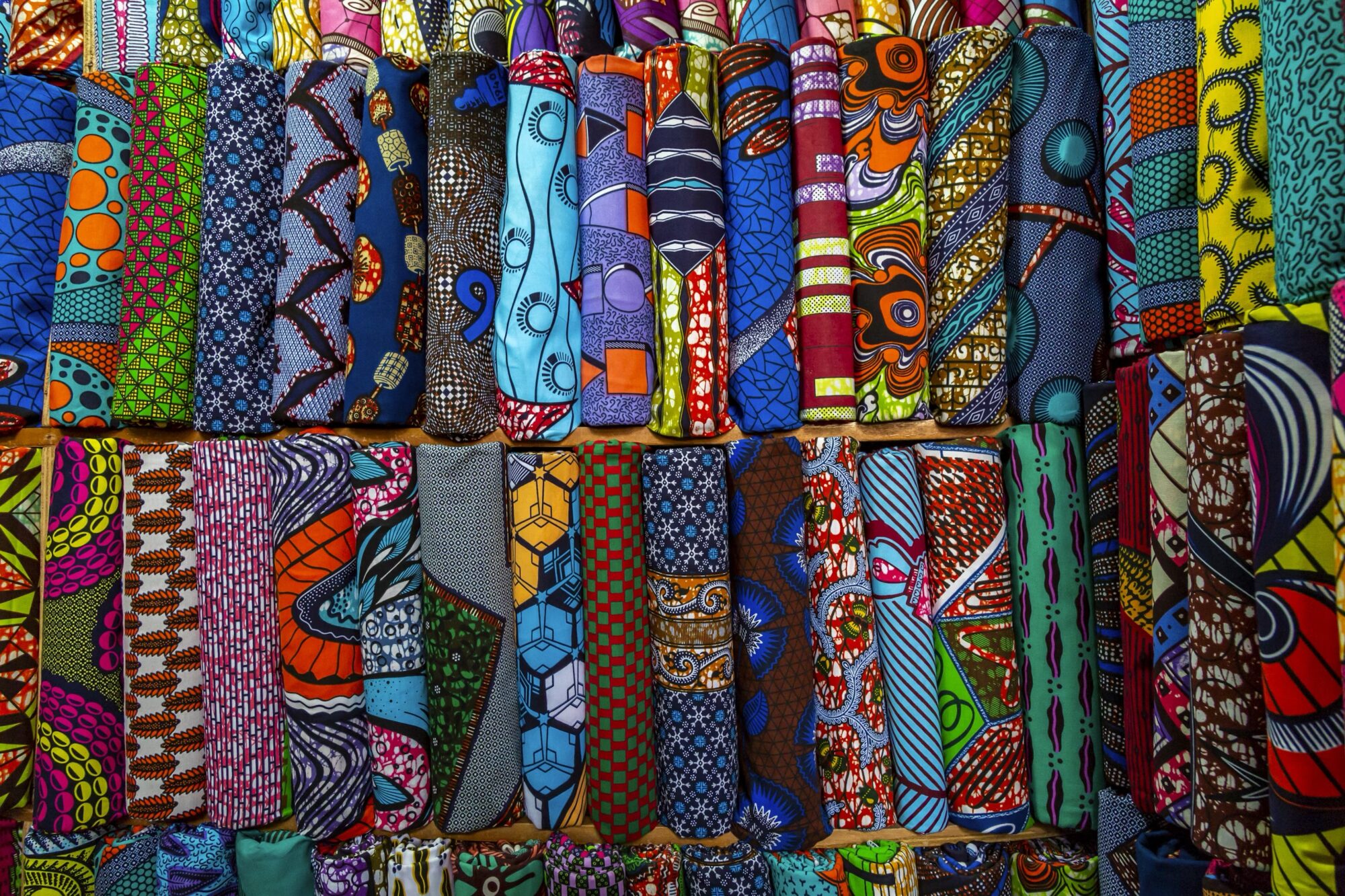
Vibrant Culture, Lush Landscapes & Coastal Charm
Côte d’Ivoire, located on West Africa’s Gulf of Guinea, is known for its energetic cities, beautiful beaches, and rich cultural heritage. The country offers travelers a mix of urban excitement, historic sites, and natural beauty.
BEFORE YOU GO
1. Entry & Travel Requirements
- Visa is required for most travelers; check current visa policies and apply in advance or obtain a visa on arrival if eligible.
- A valid passport with at least six months’ validity is essential.
- Vaccinations, including yellow fever, are strongly recommended.
2. Currency & Payments
- Currency: West African CFA franc (XOF)
- Cash is widely used; credit cards are accepted in major hotels and some businesses.
- ATMs are available in large cities.
- Tipping is appreciated but not mandatory.
3. Language
- Official language: French
- Many local languages are spoken; English is less common but used in some tourist areas.
WHAT TO PACK & KNOW
What to Bring:
- Lightweight, breathable clothing for tropical climate.
- Modest attire for visits to religious or traditional sites.
- Insect repellent and sunscreen.
- Comfortable shoes for walking and outdoor activities.
- Plug adapter Type C and E; electricity is 220V.
Getting Around:
- Taxis and minibusses are common in cities.
- Domestic flights connect major cities.
- Car rentals available but roads outside cities can vary in condition.
TOP DESTINATIONS & EXPERIENCES
Abidjan
- Economic capital with modern skyline, lively markets, and cultural venues.
- Visit the Plateau business district and Banco National Park.
Grand-Bassam
- Historic colonial town and UNESCO World Heritage site with beaches and craft markets.
Taï National Park
- UNESCO Biosphere Reserve rich in wildlife and rainforests.
Man and the Western Highlands
- Scenic region with waterfalls, lakes, and traditional villages.
Yamoussoukro
- Political capital known for the Basilica of Our Lady of Peace, one of the world’s largest churches.
FOOD & DRINK TO TRY
- Attiéké – Cassava couscous often served with grilled fish.
- Kedjenou – Spicy slow-cooked chicken stew.
- Alloco – Fried plantains, a popular street snack.
- Fresh tropical fruits and palm wine.
CULTURAL INSIGHTS & PRACTICAL TIPS
| Topic | What to Know |
| Time Zone | Greenwich Mean Time (GMT), UTC+0 |
| Safety | Exercise usual travel caution, especially outside major cities |
| Greetings | Handshakes and polite greetings are important |
| Etiquette | Dress modestly; respect local customs and traditions |
| Local Customs | Family and community play a central role in daily life |
FINAL TIPS FOR VISITING CÔTE D’IVOIRE
- Learn basic French phrases to enhance communication.
- Respect cultural and religious practices.
- Use local guides to explore rural and natural areas safely.
- Stay hydrated and protect yourself from tropical heat.
- Support local artisans by purchasing handmade crafts.