
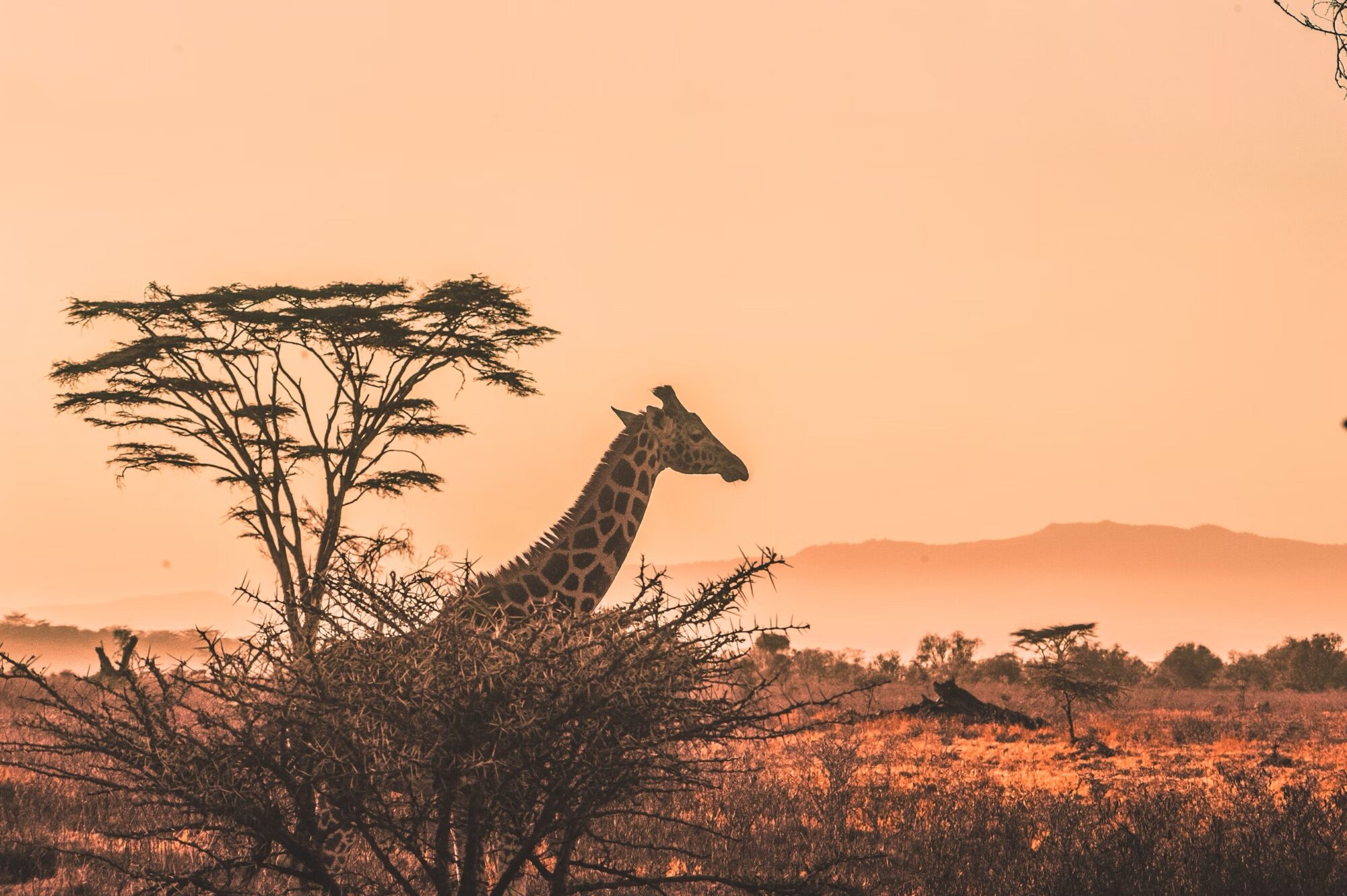
World-Class Safaris, Tribal Culture & Indian Ocean Coastlines
Kenya is the heart of East Africa—home to breathtaking landscapes, vibrant cities, incredible wildlife, and proud traditions. From the Maasai Mara to Mount Kenya and the white sands of Diani Beach, every corner of the country invites exploration. This guide will help you prepare for a smooth and inspiring journey.
BEFORE YOU GO
1. Entry & Travel Requirements
- Most travelers need an eVisa, available online before arrival.
- A valid passport with at least six months before expiration is required.
- Proof of yellow fever vaccination is recommended, especially if arriving from another African country.
- Travel insurance covering health and evacuation is advised.
2. Currency & Payments
- Currency: Kenyan Shilling (KES)
- Credit cards are accepted in hotels and major establishments.
- Carry cash for small purchases and tips, especially outside cities.
- ATMs are available in towns and cities—notify your bank before travel.
3. Language
- English and Swahili are the official languages.
- Local languages are spoken across various regions, but travelers will get by easily in English-speaking settings.
WHAT TO PACK & KNOW
What to Bring:
- Light, breathable clothing in neutral tones for safari.
- A warm layer for early morning game drives or highland regions.
- Hat, sunglasses, insect repellent, and sunscreen.
- Binoculars and a good camera.
- Plug adapter Type G (UK style); Kenya uses 240V power.
Getting Around:
- Domestic flights are common and efficient for reaching remote parks.
- Safari lodges often provide airport transfers and game drives.
- Road travel is common but can be bumpy in rural areas.
- Driving is on the left-hand side.
TOP DESTINATIONS & EXPERIENCES
Maasai Mara National Reserve
- Kenya’s most iconic safari destination.
- Best place to see the Great Migration (July–October).
- Home to the Big Five and the Maasai people.
Nairobi
- The capital blends urban life with wildlife.
- Visit the David Sheldrick Wildlife Trust, Giraffe Centre, and Nairobi National Park—wildlife just outside the city.
Lake Nakuru National Park
- Known for flamingos, rhinos, and scenic landscapes.
- Great for birdwatching and photography.
Mount Kenya
- Africa’s second-highest peak and a UNESCO World Heritage Site.
- Hiking, climbing, and forest adventures available for all levels.
Diani Beach & Coastal Kenya
- Soft white sand, turquoise waters, and Swahili culture.
- Snorkeling, diving, dhow cruises, and beach resorts along the Indian Ocean.
FOOD & DRINK TO TRY
- Nyama choma – Grilled meat, often goat or beef.
- Ugali – Maize flour side dish served with vegetables or meat.
- Chapati – Soft flatbread.
- Sukuma wiki – Seasoned collard greens.
- Mandazi – Sweet fried dough, similar to a doughnut.
- Kenya-grown coffee and Chai (tea) are a must-try.
CULTURAL INSIGHTS & PRACTICAL TIPS
| Topic | What to Know |
| Time Zone | East Africa Time (EAT), UTC+3 |
| Tipping | 5–10% in restaurants; $10–20/day for safari guides; $2–5 for hotel staff |
| Safety | Exercise standard travel precautions; use trusted transportation |
| Customs | Greetings are important—handshakes, smiles, and respect go far |
| Wildlife Etiquette | Stay in vehicles during game drives, follow your guide’s instructions, and never feed animals |
FINAL TIPS FOR VISITING KENYA
- Book safaris and accommodations well in advance, especially during migration season.
- Learn a few Swahili phrases—locals love the effort.
- Jambo! – Hello
- Asante sana – Thank you very much
- Karibu – You’re welcome
- Respect local dress codes in villages and cities—modest clothing is appreciated.
- Embrace the pace—Kenya runs on “African time,” and flexibility is key.